


 จองคิวบริการ
 NR tours
 Youplay
 NR shop
 NR jobs
 facebook th
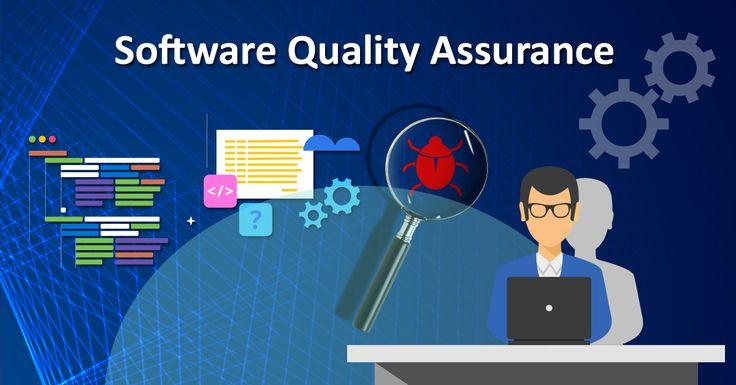
While the discipline of SQA is process-driven, its execution in the modern era is entirely dependent on a sophisticated and diverse ecosystem of tools, collectively forming the Software Quality Assurance Market Platform. It is not a single, monolithic platform but rather a constellation of specialized and integrated software solutions designed to manage, automate, and report on quality-related activities throughout the software development lifecycle. These platforms are the technological backbone that enables the principles of "Shift Left" and continuous testing in Agile and DevOps environments. At the heart of this ecosystem are Test Management tools, which act as the central nervous system for any QA effort. Platforms like Atlassian's Jira (often paired with plugins like Zephyr or Xray), TestRail, and PractiTest allow teams to plan test cycles, write and store test cases, execute tests (both manual and automated), and track defects. They provide traceability by linking requirements to test cases and to defects, offering a comprehensive audit trail and a single source of truth for the entire team regarding the quality status of a project, which is invaluable for making informed release decisions.
A cornerstone of the modern QA platform ecosystem is the suite of Test Automation tools. As manual testing cannot keep pace with rapid development cycles, automation has become indispensable. This segment is vast and varied, catering to different types of testing and skill levels. Open-source frameworks like Selenium have long dominated web UI automation, supported by a massive community and extensive language bindings. More recently, modern frameworks like Cypress and Playwright have gained immense popularity for their developer-friendly features, faster execution, and built-in debugging capabilities. For mobile automation, Appium has become the de facto standard. Beyond open source, commercial platforms like Tricentis Tosca and SmartBear TestComplete offer low-code/no-code automation solutions, aiming to democratize test automation and enable non-programmers to contribute. These platforms often come with advanced features like AI-powered object recognition, self-healing tests, and risk-based test optimization. The choice of automation platform is a critical strategic decision, as it directly impacts the efficiency, scalability, and maintenance overhead of an organization's entire testing strategy, forming a critical layer of the technology stack.
Performance testing represents another critical vertical within the broader SQA platform landscape, addressing the non-functional requirement of how a system behaves under load. A functionally perfect application that crashes during peak traffic is a commercial failure. Performance testing platforms are designed to simulate hundreds or thousands of concurrent users to identify performance bottlenecks, measure response times, and determine the system's scalability and stability. The open-source tool Apache JMeter has been a long-standing favorite for its flexibility and extensibility. Commercial enterprise-grade platforms like Micro Focus LoadRunner and NeoTyl's NeoLoad provide more advanced features, including sophisticated analysis and reporting, cloud-based load generation from multiple geographic locations, and seamless integration into CI/CD pipelines. As applications become more distributed, relying on microservices and cloud infrastructure, the complexity of performance testing increases, driving innovation in these platforms to provide deeper insights into the end-to-end performance of complex, interconnected systems, ensuring they can withstand real-world usage patterns without faltering. This makes performance engineering a vital and highly specialized area of the SQA market.
The ultimate vision for the Software Quality Assurance Market Platform is the creation of a fully integrated, intelligent, and seamless "Quality Fabric" that is woven into the entire development process. This involves moving away from a collection of disparate tools towards unified platforms or tightly integrated toolchains. Leading vendors and open-source projects are increasingly focusing on providing end-to-end solutions that cover the entire testing spectrum—from functional and UI testing to API, performance, and security testing—all managed and orchestrated from a single control plane. The integration of AI and machine learning is at the forefront of this evolution. Future platforms will not just execute predefined tests; they will use AI to analyze code changes and predict which areas are most at risk of defects, automatically generate new test cases to cover gaps, dynamically prioritize test execution based on risk, and even suggest code fixes for identified issues. This evolution towards an intelligent, autonomous testing platform promises to further accelerate development velocity while simultaneously elevating the quality, security, and reliability of the software that results, marking the next frontier in the SQA technology landscape.
Top Trending Reports:

 thai
thai
 English
 French
 Portuguese
 Italiano
 Romaian
 Portuguese (Brazil)
 china
china