


 จองคิวบริการ
 NR tours
 Youplay
 NR shop
 NR jobs
 facebook th
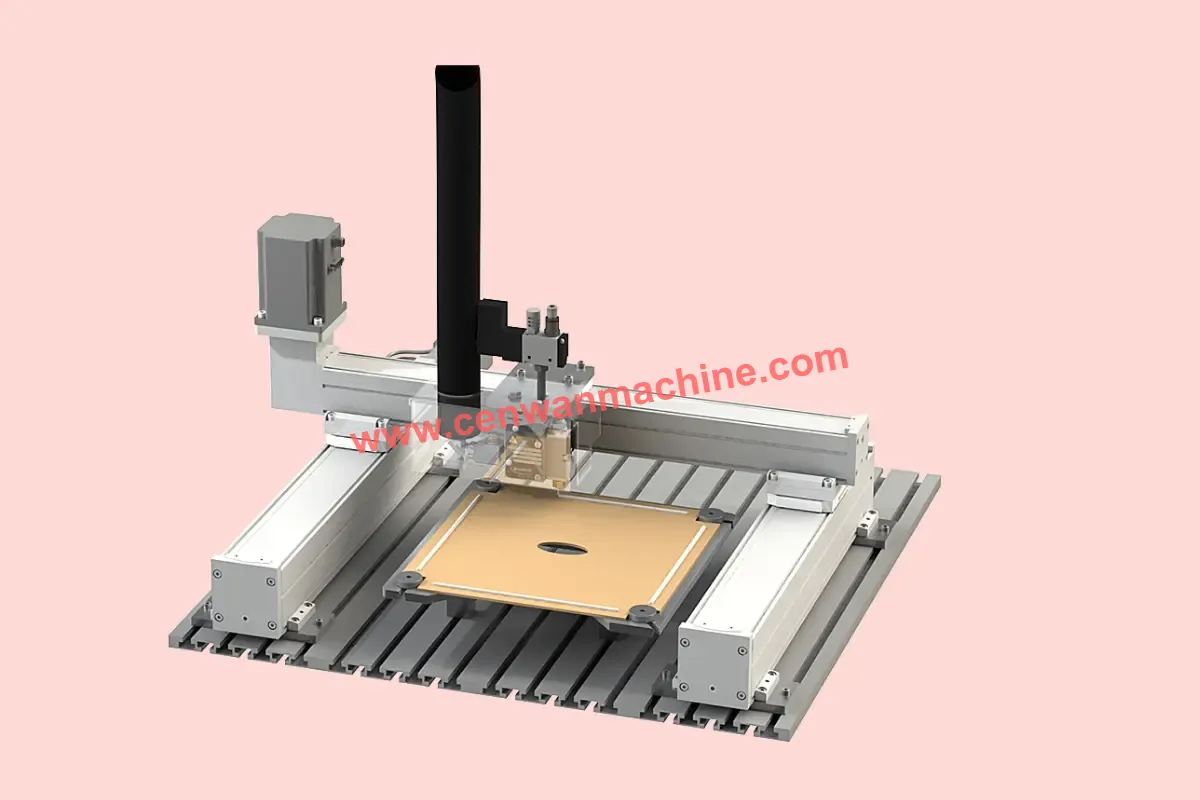
A packaging facility manager once assumed a new Automatic Gluing Machine would require two weeks of formal training before any operator could touch the control panel. cenwanmachine proved that assumption wrong through deliberate interface design and practical documentation. A well engineered machine does not hide its functions behind complex menus or obscure button sequences. How many actual hours does a typical operator need to reach safe, efficient production on such equipment?
The initial training phase focuses on safety protocols and emergency stops. Every operator must locate the main power cutoff, identify pinch points, and practice a controlled shutdown sequence. This segment takes roughly one hour of hands on demonstration and supervised repetition. Machine design influences this duration significantly. A clear red emergency button placed at eye level, with logical grouping of start and stop controls, reduces confusion. Factories that place safety switches behind panels or under flaps add unnecessary minutes to this basic lesson.
Basic setup and job changeover constitute the second learning block. An operator needs to load the correct box blanks, adjust side guides, set folding rail positions, and select the right glue pattern. A machine with digital position readouts and memory storage for common box sizes cuts this training portion sharply. Without memory storage, the operator writes down settings or relies on printed cheat sheets. With stored presets, the operator simply selects a saved job number and confirms a few physical checks. This difference saves two to three hours of training time.
Routine cleaning and daily maintenance represent the third training area. An operator must remove glue residue from application wheels or nozzles, wipe sensors, and inspect belts for wear. A design that provides tool free access to glue components reduces cleaning time and training complexity. Machines requiring special tools or partial disassembly for a simple wipe down force trainers to spend extra hours on maintenance procedures. Conversely, a machine with hinged doors and quick release glue trays allows a fifteen minute demonstration to cover all regular cleaning tasks.
Troubleshooting common error conditions forms the final training component. An operator should recognize jam indications, glue pressure warnings, and misfeed alerts without calling a supervisor. A control screen that displays plain language messages, not just error codes, speeds this learning dramatically. “Fold rail blocked” written on a screen requires no translation or code lookup. A machine that shows a small diagram of the affected station turns a twenty minute troubleshooting lesson into a five minute review.
Total training time for a new operator on a thoughtfully designed Automatic Gluing Machine often falls between four and six hours spread across two days. This includes safety, setup, cleaning, and common troubleshooting. https://www.cenwanmachine.com/product/folder-gluer-for-corrugated-box/ represents one product line where such efficient training is standard, not an exception. A facility that values production uptime chooses equipment that respects operator learning curves. Does your current packaging line require more than one workday to bring a new operator up to full speed?

 thai
thai
 English
 French
 Spanish
 Portuguese
 Romaian
 Portuguese (Brazil)
 china
china