


 จองคิวบริการ
 NR tours
 Youplay
 NR shop
 NR jobs
 facebook th
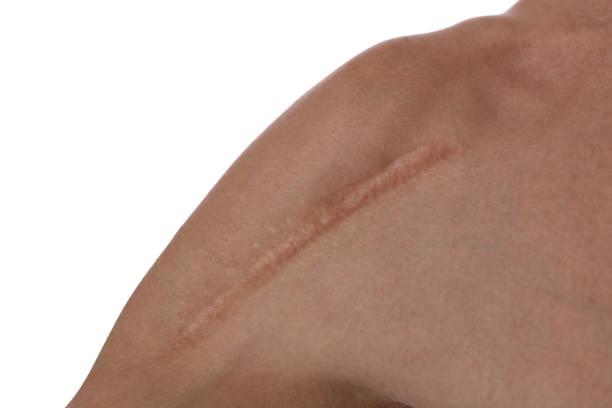
Ear keloids are a common cosmetic and dermatological concern that often develop after ear piercing, trauma, surgery, or even minor skin injuries. These raised, thick scar tissues can grow beyond the original wound and may cause discomfort, itching, or aesthetic distress. Modern dermatology offers multiple solutions for managing them effectively. keloid removal has become more advanced with both surgical and non-surgical options designed to reduce scar size and improve skin appearance safely.
- Ear keloids are overgrowths of scar tissue
- Commonly triggered by ear piercing or trauma
- May cause itching, pain, or cosmetic concern
- Require specialized treatment for best results
Many individuals seek treatment when keloids begin to affect their confidence or become physically uncomfortable. Ear Keloid Removal focuses not only on reducing the visible scar but also on preventing recurrence, which is one of the biggest challenges in keloid management. Treatment selection depends on size, duration, and skin response history.
- Treatment improves both appearance and comfort
- Early management reduces recurrence risk
- Choice of method depends on scar severity
- Combination therapy often delivers better results
Understanding Ear Keloids
Why They Develop on the Ear
Ear keloids form when the skin produces excess collagen during healing after an injury. The ear is particularly prone because of frequent piercings and thin skin structure. In some individuals, genetic factors also increase susceptibility, making even minor trauma enough to trigger abnormal scar formation.
- Excess collagen leads to raised scar growth
- Ear piercings are a major trigger
- Genetics can increase risk significantly
- Can appear weeks or months after injury
Non-Surgical Methods for Ear Keloid Management
Injections and Topical Treatments
Non-surgical options are usually the first line of treatment for smaller or early-stage keloids. Steroid injections are commonly used to flatten the scar, reduce inflammation, and relieve itching. Silicone sheets and gels may also help soften the tissue over time when used consistently.
- Steroid injections reduce scar thickness
- Silicone gels improve texture and softness
- Helps reduce itching and redness
- Best for early or small keloids
Pressure Therapy and Laser Options
Pressure earrings or devices are sometimes used to prevent keloid growth after surgery or initial treatment. Laser therapy is another modern approach that targets scar tissue to reduce redness and improve surface texture. These treatments are often combined for better outcomes.
- Pressure therapy helps prevent regrowth
- Laser improves skin tone and texture
- Non-invasive and gradual improvement
- Often used in combination plans
Surgical Options for Ear Keloid Removal
Excision and Advanced Techniques
Surgical removal involves carefully excising the keloid from the ear. While this method can provide immediate reduction in size, it is rarely used alone because keloids have a high tendency to return. Therefore, surgery is typically combined with follow-up treatments such as injections or other preventive therapies.
- Surgical excision removes large keloids
- Provides immediate visible improvement
- Requires expert dermatological care
- Must be combined with preventive therapy
Post-Surgical Combination Therapy
To minimize recurrence, post-surgical care is crucial. This may include steroid injections, pressure therapy, or laser sessions. These combined approaches significantly improve long-term outcomes and reduce the chances of the keloid returning.
- Prevents regrowth after surgery
- Improves long-term success rates
- Often includes multiple treatment methods
- Requires follow-up monitoring
Choosing the Right Treatment Approach
Factors That Influence Treatment Selection
The best treatment plan depends on several factors including size, age of the keloid, and previous treatment history. Small and recent keloids often respond well to non-surgical options, while larger or long-standing keloids may require surgical intervention followed by maintenance therapy.
- Size and age of keloid matter
- Treatment history affects outcomes
- Small keloids respond to injections
- Larger ones may need surgery
Recovery and Aftercare
Supporting Skin Healing After Treatment
After any form of Ear Keloid Removal, proper aftercare is essential. Patients are advised to avoid trauma to the treated area, follow medical instructions carefully, and attend follow-up visits. Consistency in aftercare helps ensure better results and reduces the risk of recurrence.
- Avoid pressure or irritation on the ear
- Follow all post-treatment instructions
- Regular follow-ups improve outcomes
- Helps prevent keloid recurrence
Long-Term Management and Prevention
Reducing the Risk of Future Keloids
Preventing new keloids is just as important as treating existing ones. Individuals prone to keloids should be cautious with piercings, tattoos, or any unnecessary skin trauma. Early treatment of small scars can also prevent them from developing into larger keloids.
- Avoid unnecessary ear piercings or trauma
- Treat early scars promptly
- Monitor healing skin carefully
- Prevention reduces long-term complications
Book Your Appointment
If you are struggling with ear keloids and looking for safe and effective solutions, professional evaluation is the first step toward successful treatment. At Royal Clinic Saudia, specialized dermatology care is available to assess your condition and recommend the most suitable approach for lasting results. Early consultation ensures better control, improved appearance, and reduced risk of recurrence.
FAQs:
What causes ear keloids after piercing?
Ear keloids after piercing are caused by excessive collagen production during healing, often triggered by skin trauma or genetic tendency.
Can ear keloids go away without treatment?
No, ear keloids usually do not disappear on their own and often require medical treatment to reduce their size and symptoms.
Is surgery safe for ear keloid removal?
Yes, surgery is safe when performed by specialists, but it is usually combined with other treatments to prevent recurrence.
Which treatment is best for ear keloids?
The best treatment depends on the size and severity, but a combination of injections, laser therapy, and surgery often gives the best results.

 thai
thai
 English
 French
 Spanish
 Portuguese
 Italiano
 Romaian
 china
china