


 จองคิวบริการ
 NR tours
 Youplay
 NR shop
 NR jobs
 facebook th
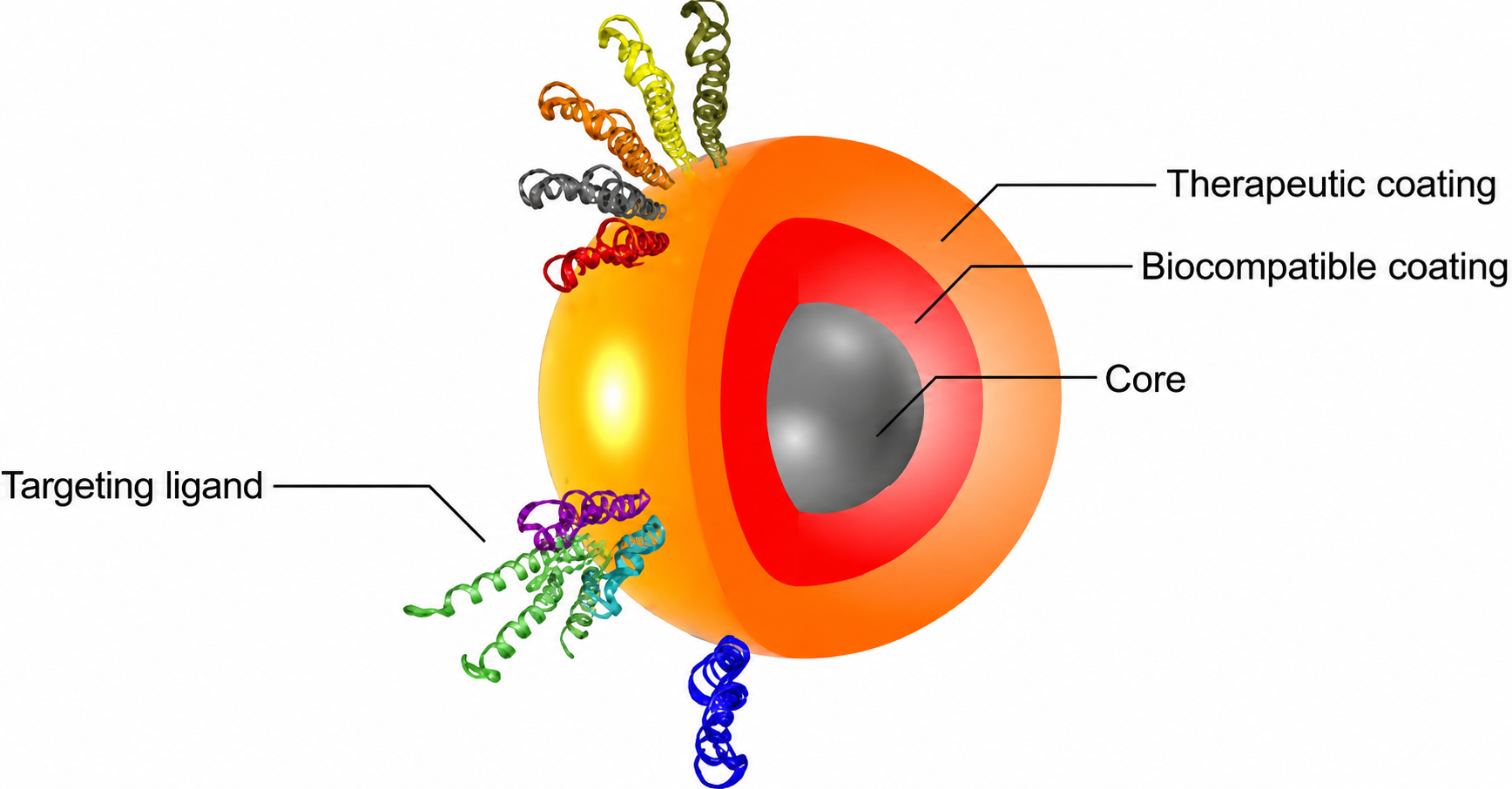
Polyelectrolyte coated nanoparticle SPIONs, also known as superparamagnetic iron oxide nanoparticles with a polyelectrolyte coating, have attracted significant attention in nanotechnology and biomedical research. These nanoparticles combine the magnetic properties of iron oxide cores with the enhanced stability and functionality provided by polyelectrolyte layers. Researchers are increasingly exploring their potential in drug delivery, medical imaging, biosensing, and environmental applications. The unique combination of magnetic responsiveness and surface adaptability makes them highly valuable for advanced scientific and industrial uses.
Understanding SPIONs
Superparamagnetic iron oxide nanoparticles (SPIONs) are nanoscale particles composed primarily of iron oxides such as magnetite or maghemite. These nanoparticles exhibit superparamagnetic behavior, meaning they become magnetized when exposed to an external magnetic field but lose their magnetization once the field is removed. This characteristic reduces the risk of particle aggregation and makes SPIONs suitable for biomedical applications. Their small size, magnetic responsiveness, and biocompatibility have positioned them as important materials in nanomedicine and diagnostic technologies.
Role of Polyelectrolyte Coating
Polyelectrolyte coatings are thin layers of charged polymers applied to the surface of SPIONs to improve their stability and functionality. These coatings protect nanoparticles from aggregation and oxidation while enhancing their interaction with biological systems. Depending on the application, researchers can select positively or negatively charged polyelectrolytes to modify surface properties. The coating also provides active sites for attaching drugs, proteins, antibodies, and other biomolecules, making the nanoparticles more versatile and effective in targeted applications.
Synthesis of Polyelectrolyte Coated Nanoparticle SPIONs
The synthesis of polyelectrolyte coated nanoparticle SPIONs typically involves two major steps. First, iron oxide nanoparticles are prepared using methods such as co-precipitation, thermal decomposition, or hydrothermal synthesis. After forming the magnetic core, a polyelectrolyte layer is deposited through adsorption or layer-by-layer assembly techniques. This process creates a stable and uniform coating around the nanoparticles. Careful control of synthesis parameters allows researchers to achieve desired particle sizes, surface charges, and functional characteristics for specific applications.
Physical and Chemical Properties
Polyelectrolyte coated nanoparticle SPIONs possess a range of physical and chemical properties that make them attractive for advanced technologies. Their magnetic core enables external magnetic manipulation, while the polymer coating enhances dispersion in aqueous environments. These nanoparticles often exhibit excellent colloidal stability, high surface area, and tunable surface chemistry. The combination of magnetic responsiveness and customizable surface functionality allows them to interact effectively with biological molecules, cells, and environmental contaminants.
Biocompatibility and Safety
Biocompatibility is a critical factor in the development of nanoparticle-based medical technologies. Polyelectrolyte coatings improve the biological compatibility of SPIONs by reducing direct exposure of iron oxide surfaces to tissues and cells. This protective layer can minimize toxicity, reduce immune responses, and enhance circulation time within the body. Researchers conduct extensive in vitro and in vivo studies to evaluate safety profiles and optimize coating materials. Continued improvements in coating design are helping to create safer nanoparticle systems for clinical applications.
Drug Delivery Applications
One of the most promising uses of polyelectrolyte coated nanoparticle SPIONs is targeted drug delivery. The polyelectrolyte shell can encapsulate therapeutic agents and release them at specific locations within the body. External magnetic fields can guide the nanoparticles toward diseased tissues, improving treatment precision and reducing side effects. This targeted approach is particularly beneficial in cancer therapy, where localized drug delivery can enhance therapeutic effectiveness while minimizing damage to healthy tissues.
Magnetic Resonance Imaging Enhancement
Polyelectrolyte coated nanoparticle SPIONs have emerged as effective contrast agents for magnetic resonance imaging (MRI). Their magnetic properties influence local magnetic fields, enhancing image contrast and improving diagnostic accuracy. The polyelectrolyte coating increases particle stability in biological fluids and enables the attachment of targeting molecules. As a result, these nanoparticles can accumulate in specific tissues or disease sites, providing clearer and more detailed imaging information for clinicians and researchers.
Cancer Diagnosis and Therapy
Cancer diagnosis and treatment represent major areas of research involving polyelectrolyte coated nanoparticle SPIONs. These nanoparticles can be engineered to recognize tumor-specific markers, enabling selective accumulation in cancerous tissues. Once localized, they can serve as imaging agents, drug carriers, or heat-generating materials for magnetic hyperthermia therapy. This multifunctional capability allows a single nanoparticle platform to support diagnosis, treatment, and monitoring, contributing to the advancement of personalized cancer care.
Biosensing and Diagnostic Applications
The unique surface properties of polyelectrolyte coated nanoparticle SPIONs make them valuable in biosensing technologies. Functional groups on the coating can bind selectively to biomarkers, pathogens, or chemical analytes. Magnetic separation techniques can then isolate and detect target substances with high sensitivity and specificity. These capabilities support the development of rapid diagnostic tools for medical testing, food safety monitoring, and environmental analysis, improving detection efficiency and accuracy.
Environmental Applications
Beyond biomedical uses, polyelectrolyte coated nanoparticle SPIONs offer significant potential in environmental remediation. Their magnetic properties allow easy recovery from contaminated water after pollutant adsorption. The polyelectrolyte coating can be designed to attract heavy metals, dyes, pesticides, and other hazardous substances. This combination of adsorption efficiency and magnetic separation provides an effective strategy for water purification and environmental cleanup while reducing operational complexity and costs.
Advantages of Polyelectrolyte Coated SPIONs
Polyelectrolyte coated nanoparticle SPIONs provide several advantages over uncoated nanoparticles. The coating improves stability, prevents aggregation, and enhances resistance to oxidation. Surface modification capabilities allow attachment of therapeutic agents, targeting ligands, and diagnostic molecules. Their magnetic responsiveness enables remote control and separation, while their biocompatibility supports medical applications. These combined benefits make them versatile materials suitable for diverse scientific, industrial, and healthcare applications.
Challenges and Limitations
Despite their many advantages, polyelectrolyte coated nanoparticle SPIONs face several challenges. Large-scale manufacturing with consistent quality remains difficult, and long-term safety data are still being investigated. Surface modifications can affect magnetic performance, requiring careful optimization. Regulatory approval processes for biomedical applications are often complex and time-consuming. Addressing these limitations will be essential for expanding commercial and clinical adoption of these advanced nanomaterials.
Future Research Directions
Future research on polyelectrolyte coated nanoparticle SPIONs is expected to focus on improving targeting efficiency, enhancing biocompatibility, and developing multifunctional nanoparticle systems. Scientists are exploring smart coatings that respond to environmental stimuli such as pH, temperature, and magnetic fields. Advances in nanotechnology and materials science may enable the creation of highly specialized SPION platforms for precision medicine, environmental monitoring, and industrial applications. Continued interdisciplinary collaboration will play a key role in unlocking their full potential.
Conclusion
Polyelectrolyte coated nanoparticle SPIONs represent an important advancement in nanotechnology, offering a powerful combination of magnetic functionality and surface adaptability. Their applications in drug delivery, medical imaging, cancer therapy, biosensing, and environmental remediation demonstrate their versatility and value. While challenges related to scalability, safety, and regulation remain, ongoing research continues to improve their performance and practicality. As scientific understanding and technological capabilities advance, these nanoparticles are expected to play an increasingly significant role in healthcare, environmental protection, and innovative industrial solutions.
