


 จองคิวบริการ
 NR tours
 Youplay
 NR shop
 NR jobs
 facebook th
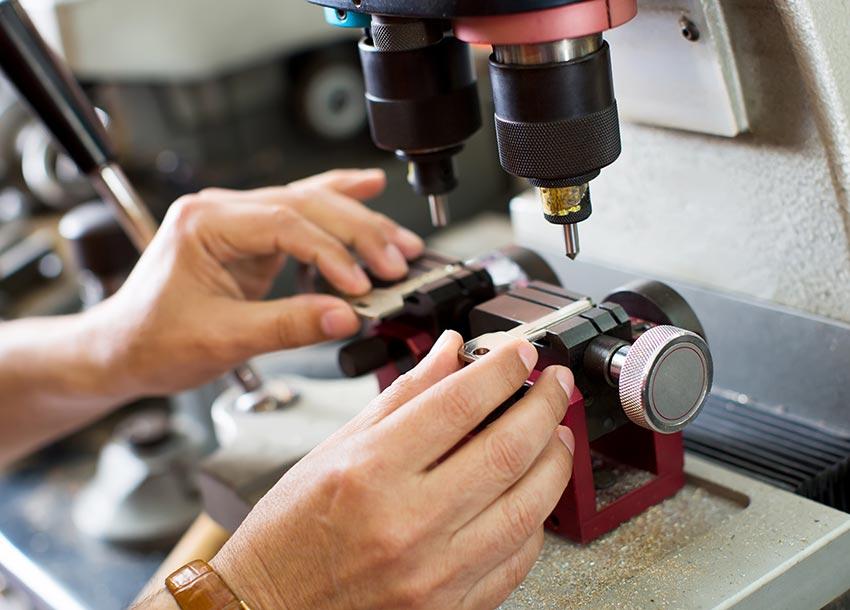
When a key does not work smoothly, many people immediately think the key was not cut properly. They may visit a key cutting shop, get another duplicate made, and expect the problem to disappear. Sometimes this works. A poorly cut key can definitely cause rough turning, sticking, or failure to open the lock.
But not every key problem is a cutting issue.
In many cases, the real problem is inside the lock, the door alignment, the cylinder, the latch, or the original key used for duplication. A newly cut key may feel bad not because the cutting was wrong, but because the lock itself is already worn, dirty, loose, or under pressure.
This is important for Dubai homes, apartments, villas, offices, and rental properties, where locks are affected by daily use, dust, heat, humidity, and frequent key duplication. Before searching for key cutting near me again, it is worth checking whether the problem is actually bigger than the key.
Why People Blame Key Cutting First
Key cutting is easy to blame because the new key is visible. If the duplicate does not work, it feels natural to think the cutting was inaccurate. In some cases, that is true.
A poorly cut key may:
-
Feel rough inside the lock
-
Not enter fully
-
Turn only with force
-
Work only after wiggling
-
Get stuck inside the cylinder
-
Work on one side but not the other
-
Fail completely
However, if the original key also has problems, or if every key feels rough, the issue may not be the cutting. The lock may already be damaged or worn.
A good duplicate key should work smoothly. But even a perfect copy cannot fix a lock that is under pressure, dirty, misaligned, or failing internally.
Sign 1: All Keys Have the Same Problem
The easiest way to check whether the issue is more than key cutting is to test more than one key. Try the original key, spare key, and new duplicate key if available.
If only the new duplicate key fails, the key cutting may be the problem. The key may need correction, smoothing, or recutting from a better blank.
But if all keys feel hard to turn, get stuck, or need wiggling, the problem is likely inside the lock.
This can happen because of:
-
Worn lock cylinder
-
Dust inside the keyway
-
Damaged internal pins
-
Dry lock parts
-
Misaligned latch
-
Door pressure
-
Old lock mechanism
In this case, making another duplicate key will not solve the root cause. The lock needs inspection.
Sign 2: The Original Key Is Already Worn
A duplicate key is usually copied from the key you provide. If the original key is worn, bent, cracked, or already copied from another duplicate, the new key may also carry the same problem.
Old keys often lose their sharp edges over time. The cuts become rounded, and the key may no longer match the lock accurately. If this worn key is copied, the duplicate may be inaccurate even if the machine does its job properly.
Signs your original key may be too worn include:
-
Rounded edges
-
Thin or weak blade
-
Key needs lifting before turning
-
Key works only after several attempts
-
Key feels loose in the lock
-
Key is bent or slightly twisted
-
Key was already copied from another copy
The best spare key is made before the original becomes badly worn. If the original key is already unreliable, the lock may need checking before another copy is made.
Sign 3: The Key Works When the Door Is Open but Not Closed
This is one of the clearest signs that the problem is not only key cutting.
Open the door and turn the key. Then close the door and try again. If the key turns smoothly while the door is open but becomes hard to turn when the door is closed, the issue is usually door alignment.
The latch or bolt may not be lining up correctly with the strike plate. When the door is closed, the lock comes under pressure. The key then feels tight because it is fighting against the door position.
This can happen because of:
-
Loose hinges
-
Door sagging
-
Frame movement
-
Heat expansion
-
Strike plate misalignment
-
Poor lock fitting
-
Door rubbing against the frame
In Dubai, heat and daily use can affect door alignment over time, especially on villa doors, apartment main doors, outdoor doors, and frequently used office entrances.
A new key will not fix door pressure. The door and lock alignment must be adjusted.
Sign 4: The Key Gets Stuck Inside the Lock
A key that gets stuck inside the lock should not be ignored. If it happens only with one newly cut key, the duplicate may have sharp edges or incorrect cuts. But if the original key also gets stuck, the issue is likely deeper.
A stuck key may be caused by:
-
Bent key
-
Dirty cylinder
-
Worn internal pins
-
Poor duplicate key
-
Lock misalignment
-
Old cylinder
-
Door pressure
-
Damaged lock body
Do not pull the key forcefully. It may break inside the lock and create a bigger repair problem. If the key gets stuck more than once, stop using force and have the lock checked.
Sign 5: The Lock Feels Rough or Gritty
If the key feels rough, scratchy, or gritty inside the lock, dust or dirt may be inside the cylinder. This is common in Dubai because fine dust can enter locks, especially on outdoor gates, villa doors, shop shutters, and doors near construction areas.
Dust can mix with old lubricant and create sticky buildup. This makes even a properly cut key feel bad.
Signs of dust or dirt inside the lock include:
-
Key does not enter smoothly
-
Lock makes scraping sounds
-
Key comes out dirty
-
Key turns better after several attempts
-
Lock feels dry or gritty
-
Duplicate keys wear quickly
Many people add oil to fix this, but heavy oil can attract more dust and make the problem worse. The lock may need proper cleaning and suitable lubrication.
Sign 6: The Lock Cylinder Feels Loose
A loose cylinder can make any key feel unreliable. If the lock moves when you insert the key, or the cylinder shifts while turning, the problem is not key cutting.
A loose cylinder may be caused by:
-
Worn screws
-
Poor installation
-
Damaged lock body
-
Old hardware
-
Forced entry attempt
-
Door material damage
A loose lock can affect security and daily use. It may still open and close, but it is not stable. If the cylinder is moving, another duplicate key will not fix the problem.
Sign 7: The Key Turns but the Door Does Not Open
If the key turns but the door still does not open, the key shape is usually not the issue. The problem may be with the latch, spindle, handle, bolt, or internal lock mechanism.
Possible causes include:
-
Broken latch
-
Failed lock body
-
Loose handle connection
-
Damaged spindle
-
Misaligned bolt
-
Door pressure
-
Internal wear
This type of problem needs lock inspection. A key cutting shop cannot solve it by making another copy because the issue is not the key blade.
Sign 8: A New Duplicate Works Only for a Short Time
Sometimes a newly cut key works for a few days or weeks, then becomes rough. This may happen if the lock is already worn or damaging the key during use.
A worn lock can cause:
-
Key edges to wear quickly
-
Duplicate key to bend slightly
-
Key to get scratched
-
Key to feel rough
-
Key to stop working smoothly
-
Internal cylinder wear to increase
If every new key starts failing after short use, the lock may be the real problem. Repeated key cutting will only delay the repair.
Sign 9: The Lock Makes Grinding Sounds
A lock should not make grinding, scraping, or rough clicking sounds. These sounds usually mean there is friction, dust, wear, or misalignment inside the lock.
Grinding sounds can be caused by:
-
Dry internal parts
-
Dust buildup
-
Damaged key
-
Worn pins
-
Misaligned latch
-
Old lock mechanism
If the sound happens with every key, the issue is inside the lock. Do not keep forcing the key, because the internal parts may become more damaged.
Sign 10: The Door Needs Extra Pressure to Lock
If you need to push, pull, lift, or press the door before locking it, the issue is usually not key cutting. This means the latch and strike plate are not lining up properly.
This is common in homes and offices where doors shift over time. The lock may feel stiff because it is under pressure every time the door closes.
Daily pressure can damage the latch, cylinder, key, and frame. Fixing the door alignment early can prevent full lock failure later.
When Key Cutting Is Actually the Problem
Key cutting may be the issue when:
-
Only the new duplicate key fails
-
The original key works smoothly
-
The duplicate has sharp edges
-
The duplicate does not enter fully
-
The wrong key blank was used
-
The key works after smoothing or correction
-
The duplicate was copied from a poor original
In this case, a proper key cutting near me service may solve the issue. The key should be copied from the best available original, using the correct blank, and tested before regular use.
When You Need Lock Repair Instead
Lock repair may be needed when:
-
All keys feel rough
-
The cylinder is loose
-
The key gets stuck often
-
The lock makes grinding sounds
-
Door alignment affects locking
-
The key turns but door does not open
-
The lock is old or unreliable
-
New keys keep failing quickly
In these cases, another duplicate key will not fix the real problem. The lock, latch, cylinder, strike plate, or door alignment should be checked.
Dubai Homes Need Extra Lock Care
Dubai conditions can make lock problems appear faster. Heat can affect door alignment. Dust can enter the keyway. Humidity can affect some metal parts. Frequent tenant movement in apartments and villas can also lead to many duplicate keys being made over time.
For Dubai homes, offices, and rental properties, it is smart to check both the key and the lock before deciding what service is needed. Sometimes the right answer is key cutting. Sometimes it is lock repair, rekeying, or lock replacement.
Final Thoughts
A key problem is not always a cutting issue. A badly cut duplicate key can cause problems, but so can a worn original key, dirty cylinder, loose lock, door alignment pressure, damaged latch, or old lock mechanism.
Before searching for key cutting near me again, test more than one key, check whether the lock works with the door open, and notice whether the issue happens with every key. If only one duplicate fails, key correction may be enough. But if all keys struggle, the lock likely needs attention.
A good key should work smoothly without force. If it does not, finding the real cause early can prevent broken keys, jammed locks, lockouts, and bigger repair costs later.
