


 จองคิวบริการ
 NR tours
 Youplay
 NR shop
 NR jobs
 facebook th
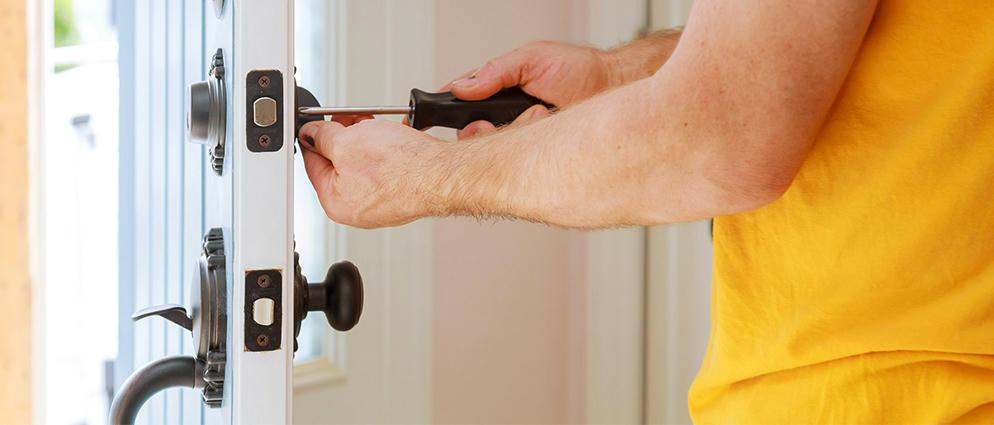
Your lock gives you warnings before it completely fails. Most people ignore these signs until they're standing outside their locked door at midnight with a key that won't turn. Or they discover their office lock broken on Monday morning when employees are waiting to start work.
Locks don't just suddenly stop working. They show clear warning signs days or weeks before total failure. Learning to recognize these signs means you can fix problems before they become emergencies.
Why Locks Fail Faster in Dubai
Dubai's environment is tough on locks. Understanding why helps you spot problems early.
Extreme Heat: Summer temperatures above 45°C affect lock mechanisms. Metal parts expand. Plastic components inside locks can warp. Lubricants dry out faster. Electronic smart locks struggle with heat.
Sand and Dust: Dubai's desert environment means fine sand particles get everywhere. Sand works its way into lock cylinders. Over time, this creates friction that wears down internal pins and springs.
Humidity from Air Conditioning: The contrast between hot outdoor air and cool indoor air creates condensation. This moisture can cause rust in lock mechanisms, especially in locks near doors that open frequently.
Salt Air Near Coast: Properties near Dubai Marina, JBR, or Palm Jumeirah face salt air exposure. Salt accelerates corrosion in metal lock components.
These conditions mean Dubai locks wear out faster than in cooler, drier climates. What might last 15 years elsewhere might need attention after 7-10 years in Dubai.
Sign 1: Your Key Doesn't Go In Smoothly
What It Feels Like: You need to wiggle or force your key to insert it into the lock. Sometimes it goes in easily, sometimes it catches.
What's Actually Happening: The lock cylinder pins are wearing unevenly. Dust or debris is building up inside the keyway. The key itself might be wearing down, changing its shape slightly.
How Serious: Early warning. You have time, but don't ignore it.
What to Do: Try graphite powder lubricant first. Puff it into the keyway and work your key in and out several times. If this doesn't help within a day or two, call a locksmith. They can clean the cylinder or determine if replacement is needed.
Cost to Fix: Cleaning and lubrication: AED 100-150. Cylinder replacement if needed: AED 200-400.
Sign 2: The Key Turns But Feels Stiff
What It Feels Like: Your key goes in fine but requires more force than normal to turn. It doesn't feel smooth anymore.
What's Actually Happening: Internal springs are weakening or breaking. Pins inside the cylinder aren't moving freely. Accumulated grime is creating friction. The lock mechanism might be misaligned slightly.
How Serious: Moderate concern. Fix within 1-2 weeks before it gets worse.
What to Do: Don't force it harder—this can break your key inside the lock. Use graphite lubricant. If stiffness continues after lubrication, the lock needs professional service.
Cost to Fix: Professional cleaning: AED 150-200. Spring replacement: AED 200-350. Full lock replacement if internal damage exists: AED 250-500.
Sign 3: Deadbolt Doesn't Extend Fully
What It Looks Like: Your deadbolt only comes out partway when you turn the key. It should extend fully (usually 25-30mm), but it only extends 10-15mm. Or it extends fully sometimes but not always.
What's Actually Happening: The bolt mechanism is binding. Springs controlling bolt movement are failing. Misalignment between door and frame is preventing full extension. Internal components are worn or damaged.
How Serious: High concern. A partially extended deadbolt provides minimal security.
What to Do: Check door alignment first. Close your door slowly and watch if it sits flush in the frame. If the door is misaligned, call a locksmith—they'll adjust hinges or the strike plate. If alignment is fine but the bolt still won't extend, the lock mechanism is failing internally.
Cost to Fix: Strike plate adjustment: AED 100-200. Hinge adjustment: AED 150-250. Lock mechanism replacement: AED 250-450.
Sign 4: Your Key Gets Stuck in the Lock
What Happens: You insert the key, turn it, but when you try to remove it, it won't come out. You have to jiggle or force it to extract your key.
What's Actually Happening: The cylinder pins aren't returning to proper positions after you turn the key. The key might be worn and not pushing pins correctly anymore. Internal springs might be weak or broken.
How Serious: High concern. Next time your key might break off inside the lock.
What to Do: Stop using that key as your primary key immediately. Use your spare if you have one. Get the lock serviced within days, not weeks. Continuing to force the key will break it inside the lock, turning a simple repair into a more expensive extraction and replacement job.
Cost to Fix: Pin replacement: AED 200-350. If you break the key inside: extraction AED 150-300 plus lock service.
Sign 5: Lock Makes Strange Noises
What You Hear: Grinding, clicking, or scraping sounds when you turn the key. Your lock used to operate silently but now makes noise.
What's Actually Happening: Metal components are rubbing against each other due to wear. Broken spring pieces might be loose inside the cylinder. Grit and sand are caught in the mechanism creating grinding sounds.
How Serious: Moderate to high. Noises indicate internal damage happening right now.
What to Do: Lubricating might reduce noise temporarily but won't fix the underlying wear. Have a locksmith inspect the lock. They'll determine if cleaning solves it or if components need replacement.
Cost to Fix: Professional cleaning: AED 150-200. Component replacement: AED 250-400. Full lock replacement if damage is extensive: AED 300-550.
Sign 6: Visible Lock Damage
What You See: The lock cylinder looks loose or moves when you touch it. You see rust or corrosion on metal parts. The lock housing is cracked. Screws are loose or missing.
What's Actually Happening: The lock mounting is failing. Moisture has caused corrosion. Physical impact has damaged the lock body. Age and use have degraded materials.
How Serious: High concern. Visible damage means invisible internal damage exists too.
What to Do: Tighten loose screws as a temporary measure, but plan for lock replacement soon. Corroded or cracked locks are at high risk of complete failure. Don't wait for this to happen at midnight or when you're rushing to work.
Cost to Fix: Full lock replacement: AED 250-550 depending on lock quality chosen.
Sign 7: The Lock Works Sometimes, Fails Other Times
What Happens: Monday the lock works fine. Tuesday it's sticky. Wednesday it's fine again. Thursday it won't turn. This inconsistency is frustrating and confusing.
What's Actually Happening: Internal components are failing intermittently. Temperature changes affect worn parts differently. The lock is on the edge of complete failure.
How Serious: Very high. Intermittent problems always get worse, never better.
What to Do: Replace the lock now while you can do it on your schedule. Waiting guarantees the lock will fail completely at the least convenient moment possible. Intermittent problems mean you're already past the point of simple repairs.
Cost to Fix: Lock replacement is necessary: AED 250-550. Emergency lockout service if you wait and it fails completely: add AED 200-350 for emergency response.
Sign 8: Smart Lock Acting Strange
What Happens: Your smart lock doesn't respond to your phone app. The keypad lights flicker. It takes multiple attempts to recognize your fingerprint when it used to work first try. Auto-lock activates at random times.
What's Actually Happening: Battery is dying. Electronic components are overheating in Dubai's climate. Firmware has bugs. WiFi connectivity is unstable. The motor mechanism is wearing out.
How Serious: Varies. Battery issues are simple. Motor failure is expensive.
What to Do First: Replace batteries immediately—this fixes 60% of smart lock problems. Check your WiFi signal strength at the door. Update firmware through the app. If problems continue after these steps, the lock needs professional service or replacement.
Cost to Fix: New batteries: AED 15-30. Professional service visit: AED 150-300. Smart lock replacement: AED 800-2,000 depending on model.
Sign 9: Your Key is Wearing Down
What You See: Compare your daily-use key to a spare you rarely use. The daily key looks noticeably worn. The cuts are less sharp. The edges are rounded.
What's Actually Happening: Years of use gradually wear down the metal. Eventually the worn key won't operate the lock pins correctly. When this happens, you'll be locked out even though you have the key.
How Serious: Moderate. The lock is probably fine—your key is the problem.
What to Do: Get a new key cut from your spare (the one you don't use daily), not from the worn key. Using a worn key as a reference creates another worn copy. Use your new key as your primary and retire the worn one as a backup. This is preventive—do it now before the worn key fails completely.
Cost to Fix: New key cutting: AED 15-30. Much cheaper than emergency lockout service.
Sign 10: Door Needs Extra Force to Lock
What Happens: You have to push or lift your door slightly for the lock to engage. It used to close and lock smoothly but now requires extra effort.
What's Actually Happening: This usually isn't a lock problem—it's a door alignment problem. Your door has sagged on its hinges, or the frame has shifted slightly. Now the lock bolt and the strike plate hole don't line up perfectly.
How Serious: Moderate to high. Misalignment strains the lock mechanism and will eventually cause lock failure even if the lock itself is fine.
What to Do: Have a locksmith check door alignment. They'll adjust hinges or reposition the strike plate. Sometimes they'll file the strike plate hole slightly larger. These adjustments prevent the misalignment from damaging your lock.
Cost to Fix: Hinge adjustment: AED 150-250. Strike plate repositioning: AED 100-200. Much cheaper than replacing a lock damaged by ongoing misalignment stress.
Why You Shouldn't Wait
Emergency Lockouts Cost More: Fixing a lock on your schedule during business hours costs AED 150-400 depending on the issue. Emergency lockout service when the lock fails completely costs AED 350-600, plus you deal with the stress and inconvenience.
Problems Get Worse: That slight stiffness becomes a complete jam. That occasional stick becomes a daily struggle. Eventually becomes never works. Small problems are cheaper and easier to fix than complete failures.
Security Risk: A failing lock doesn't secure your property properly. Partially extending deadbolts, loose cylinders, and sticky mechanisms are easier for burglars to manipulate.
Break at the Worst Times: Locks fail when you're rushing to work, returning home late at night, or trying to open your shop for customers. They never fail at convenient times.
How to Check Your Locks
Do this simple check every few months:
- Insert your key: Does it slide in smoothly or catch?
- Turn the key: Is it smooth or stiff? Any unusual resistance?
- Lock and unlock several times: Consistent operation or variable?
- Check deadbolt extension: Does it extend fully? Measure it.
- Listen for sounds: Should be nearly silent. Grinding or clicking is bad.
- Examine the lock: Look for rust, cracks, loose screws, or damage.
- Test all your keys: Do they all work equally well?
This takes 2 minutes per lock. If anything feels or sounds wrong, that's your warning.
Dex Key Maker: Expert Lock Service Before Failure
At Dex Key Maker, we don't just fix locks after they fail. We help you catch problems early. Our Dubai locksmiths know exactly what to look for because we've serviced thousands of locks across every Dubai neighborhood.
What We Offer:
Lock Health Checks: We inspect your locks, identify wear patterns, and tell you honestly what needs attention now versus what can wait. No unnecessary replacement recommendations—just honest assessment from experienced professionals.
Preventive Maintenance: Sometimes a good cleaning and proper lubrication adds years to lock life. We do this right. Not WD-40 that attracts dust. Proper graphite and specialized lock lubricants designed for Dubai's climate.
Same-Day Repairs: When we identify problems during inspection, we fix them the same day in most cases. We carry common parts and replacement locks so one visit solves your problem.
Fair Pricing: Lock cleaning and adjustment: AED 100-200. Standard lock replacement: AED 250-450. We explain what you're paying for and why it's needed.
All Dubai Areas: Marina, Downtown, JLT, Deira, Jumeirah, Business Bay, Arabian Ranches—we serve everywhere in Dubai. Fast response because we're already working in your area.
Why Dubai Trusts Us: We're the locksmiths other businesses call for their own properties. Property management companies trust us with their buildings. That reputation comes from years of honest service and expert work.
Don't wait until you're locked out. Don't ignore the warning signs your lock is giving you. Call Dex Key Maker for professional lock inspection and service. We'll tell you exactly what your locks need and fix problems before they become emergencies.
Better to call us today during business hours than call anyone in emergency mode tonight. Prevention costs less than crisis response—always.

 English
 French
 Spanish
 Portuguese
 Italiano
 Romaian
 Portuguese (Brazil)
 china
china