


 จองคิวบริการ
 NR tours
 Youplay
 NR shop
 NR jobs
 facebook th
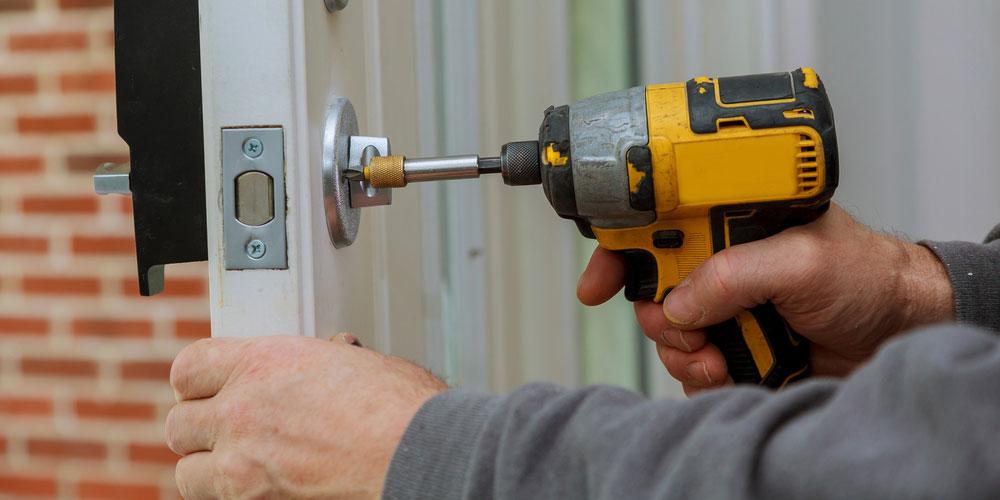
Locks are one of the most important yet often overlooked parts of any home, office, or commercial property. We rely on them every day for security, privacy, and peace of mind, but rarely think about their condition until something goes wrong. A jammed lock, a broken key, or a door that won’t open smoothly can quickly turn into a stressful situation—especially in a busy city environment like Dubai.
The good news is that most lock problems don’t happen suddenly. They develop over time due to wear, dust, improper use, or lack of maintenance. By following a few simple maintenance practices, you can keep your locks working smoothly, avoid unexpected issues, and extend the lifespan of your entire locking system.
This guide explains practical, easy-to-follow tips that anyone can apply to maintain locks properly and prevent costly repairs.
Why Lock Maintenance Matters
Locks are mechanical systems made up of small internal components such as pins, springs, and cylinders. These parts must align perfectly for the lock to function correctly. Over time, dust, moisture, and daily usage can affect how these components move.
Without maintenance, locks may start to feel stiff, produce resistance when turning the key, or fail to open completely. Ignoring these early signs can lead to more serious problems such as broken keys, damaged cylinders, or complete lock failure.
Regular maintenance ensures:
-
Smooth key insertion and turning
-
Reduced wear and tear
-
Longer lifespan of locks
-
Improved security and reliability
Keep Your Locks Clean from Dust and Debris
Dust is one of the most common causes of lock issues, especially in areas where sand and fine particles are present. Over time, dust can enter the lock cylinder and interfere with the movement of internal components.
To prevent this:
-
Avoid inserting dirty or dusty keys into the lock
-
Wipe keys regularly before use
-
Use a soft brush or air blower to remove debris from the keyhole
Keeping the lock clean helps maintain smooth internal movement and prevents unnecessary friction.
Use Proper Lubrication (But Not Too Much)
Lubrication is essential for keeping locks functioning properly. However, using the wrong type of lubricant or applying too much can create more problems instead of solving them.
Avoid using oil-based lubricants such as cooking oil or heavy grease. These substances attract dust and can cause buildup inside the lock.
Instead, use:
-
Graphite powder
-
Silicone-based lubricants
Apply a small amount inside the keyhole and insert the key to distribute it evenly. This helps reduce friction and keeps the lock operating smoothly.
Handle Keys Carefully
Keys may seem strong, but they can become damaged over time if not handled properly. A bent or worn-out key can damage the lock’s internal components.
To maintain your keys:
-
Avoid using keys as tools (e.g., opening packages)
-
Do not force the key into the lock
-
Replace keys that are bent or worn
Using a damaged key can lead to misalignment inside the lock, making it harder to turn and increasing the risk of breakage.
Avoid Forcing the Lock
If a lock does not open easily, many people try to apply more force. This is one of the most common mistakes that can damage both the key and the lock.
If you experience resistance:
-
Stop immediately
-
Check if the key is correct
-
Try gentle movement instead of force
Forcing a lock can break the key inside the cylinder or damage internal components, leading to more expensive repairs.
Check Door Alignment Regularly
Sometimes the problem is not the lock but the door itself. Misaligned doors can cause the latch or bolt to rub against the strike plate, making it difficult to lock or unlock.
Common signs of misalignment include:
-
Difficulty turning the key
-
Door not closing properly
-
Lock requiring extra pressure
If alignment issues are detected, adjusting the hinges or strike plate can solve the problem and reduce stress on the lock.
Protect Locks from Moisture
Moisture can cause rust and corrosion inside locks, especially in outdoor or exposed areas. Rusted components can prevent the lock from functioning smoothly.
To protect locks:
-
Use protective covers for outdoor locks
-
Avoid water exposure when cleaning doors
-
Dry locks immediately if they get wet
Maintaining a dry environment helps prevent long-term damage to internal components.
Test Locks Regularly
One simple way to maintain locks is by testing them regularly. This helps identify minor issues before they become major problems.
Check for:
-
Smooth key insertion
-
Easy turning without resistance
-
Proper locking and unlocking
If anything feels unusual, it’s better to address the issue early.
Replace Worn-Out Locks and Keys
Locks do not last forever. Over time, internal components wear out, and keys lose their original shape. Continuing to use worn-out locks can compromise security.
Consider replacement if:
-
The lock feels loose or unstable
-
Keys frequently get stuck
-
The lock requires repeated attempts to open
Upgrading to a new lock ensures better performance and improved security.
Maintain Smart Locks Properly
Smart locks require a different type of maintenance compared to traditional locks. While they do not rely on physical keys as much, they still need attention.
For smart locks:
-
Replace batteries regularly
-
Keep the keypad or fingerprint sensor clean
-
Update software if applicable
Proper care ensures that digital systems function reliably without interruptions.
Keep Spare Keys Ready
Having spare keys is an important part of lock maintenance. If a key becomes damaged or lost, a backup key can prevent emergencies.
However, ensure that spare keys are:
-
Stored securely
-
Not accessible to unauthorized individuals
Proper management of spare keys helps maintain both convenience and security.
When to Call a Professional Locksmith
While many maintenance tasks can be done at home, some situations require professional assistance.
You should call a locksmith if:
-
The key breaks inside the lock
-
The lock is completely jammed
-
The lock feels loose or unstable
-
You notice internal damage
Professional locksmiths have the tools and expertise to fix issues without causing further damage.
Dex Key Maker – Reliable Lock Maintenance Support
For residents and businesses in Dubai, maintaining locks is essential for both convenience and security. While regular care helps prevent issues, professional support ensures long-term reliability.
Dex Key Maker provides expert locksmith services including lock inspection, repair, key duplication, and smart lock solutions. Whether it’s a minor issue or a complete lock replacement, professional technicians ensure that locks function smoothly and securely.
With proper maintenance and expert support when needed, locks can continue to provide reliable protection for homes, offices, and commercial properties.
Conclusion
Locks are a critical part of everyday security, yet they are often neglected until problems arise. By following simple maintenance tips such as cleaning, proper lubrication, careful key handling, and regular inspection, you can keep your locks working smoothly for years.
Preventive care not only saves money but also reduces the risk of unexpected lock failures. Whether using traditional locks or modern smart systems, regular maintenance ensures that your security remains strong and dependable.
Taking a few minutes to care for your locks today can prevent major issues tomorrow.
FAQs
How often should I lubricate my locks?
Locks should be lubricated every few months or whenever you notice stiffness.
Can I use oil to lubricate locks?
It is better to use graphite or silicone-based lubricants instead of oil.
Why does my key get stuck in the lock?
This may be due to dirt, lack of lubrication, or a worn-out key.
How do I know if my lock needs replacement?
If the lock feels loose, jams frequently, or does not operate smoothly, replacement may be necessary.
Are smart locks easier to maintain?
Smart locks require less mechanical maintenance but need battery and system checks regularly.

 thai
thai
 English
 French
 Spanish
 Portuguese
 Italiano
 Romaian
 china
china