


 จองคิวบริการ
 NR tours
 Youplay
 NR shop
 NR jobs
 facebook th
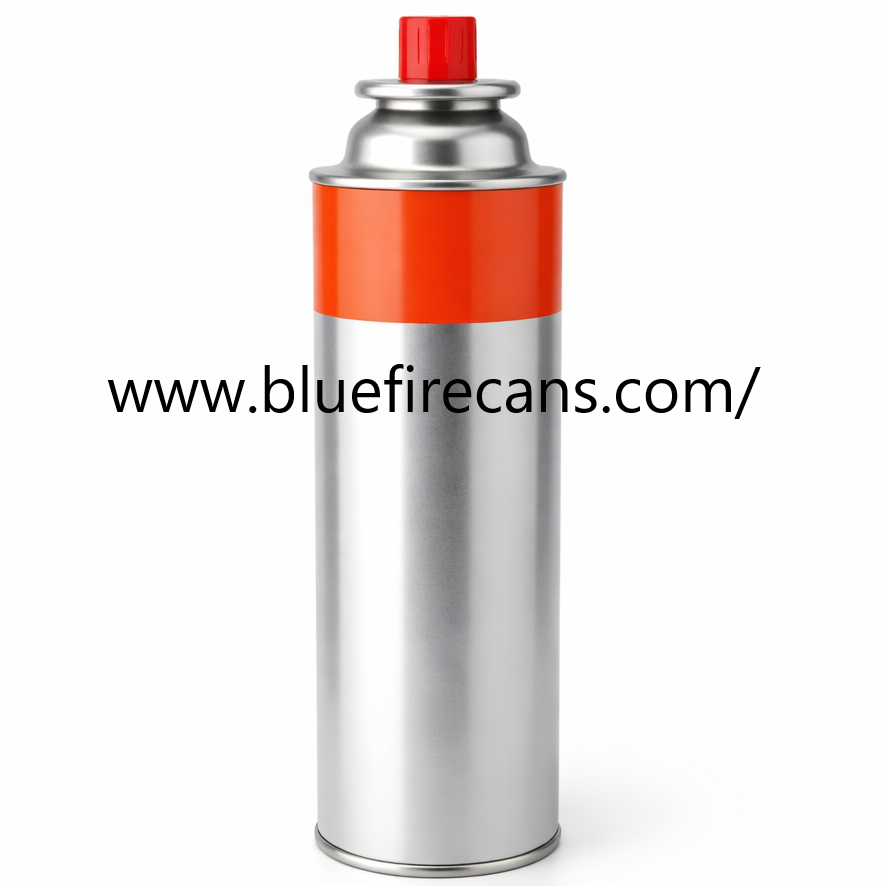
Nobody thinks about fuel until the moment it becomes a problem. You have probably been there, or know someone who has. Everything else in the pack was researched carefully, weighed, compared, reconsidered. The canister got grabbed off a shelf somewhere between the checkout line and the parking lot. Two days into a trip, usually on a cold morning when the stove is barely pushing a flame, that decision starts feeling a lot more significant. A 450g Gas Canister tends to be where a lot of experienced campers quietly land after a few of those lessons.
It is not an obvious choice from the outside. The size looks unremarkable next to the bigger options, and it does not carry the weight-saving appeal of the smaller ones. But trips that run three to five days, or involve two people cooking once or twice daily, tend to eat through fuel at a rate that makes the medium format genuinely sensible rather than just convenient. That said, canister size is almost a secondary concern once you start thinking about what is actually inside.
Cold changes everything. A canister that performs well on a mild afternoon can behave almost like a different product at five in the morning when frost has settled on everything. Pressure inside the canister drops with temperature, and a lot of campers experience this as a weak, uneven flame without quite understanding why. The gas blend is doing something specific in that situation, or failing to. Propane handles the cold end of things reasonably well, keeping pressure from collapsing entirely. Isobutane manages the middle range and the gradual emptying of the canister, keeping output more consistent through the second and third day of use than a single-component fuel tends to manage.
Altitude throws another variable in. Water boils at a lower temperature up high, which sounds helpful until you realize the stove is also working harder to maintain any flame at all. A trip that involves serious elevation gain often burns through fuel faster than a similar duration at sea level, for reasons that are not immediately obvious until you have experienced it. This is the kind of thing that gets learned the hard way, usually once.
The physical simplicity of canister fuel is something that gets underappreciated in gear discussions. No priming. No pumping. No separate bottle to fill. You thread it on, crack the valve, and the stove works. After a long day when your fingers are cold and your patience is limited, eight seconds from canister to flame is not a small thing. Some liquid fuel systems offer advantages on extended cold-weather expeditions, no argument there, but for the majority of three-season trips the canister format removes friction at exactly the moment friction is least welcome.
There is a disposal side to this that does not come up enough. An empty canister is not just rubbish. It held pressurized gas, which means it needs to be fully spent before it goes anywhere near a standard bin, and even then, the right move is a facility that handles pressurized containers. Most outdoor users who care about the places they visit already know this and do it automatically. It is a small act, but the cumulative effect of many small acts is what keeps trails and campsites worth returning to.
Fuel that does its job without drawing attention to itself is, in a way, the highest compliment you can give a piece of gear. It was there, it worked, you ate a hot meal and moved on. That is the standard worth holding things to. Anyone putting together a kit and thinking seriously about canister fuel that holds up across varying temperatures, elevations, and trip lengths will find https://www.bluefirecans.com/ a useful starting point.

 thai
thai
 French
 Spanish
 Portuguese
 Italiano
 Romaian
 Portuguese (Brazil)
 china
china