


 จองคิวบริการ
 NR tours
 Youplay
 NR shop
 NR jobs
 facebook th
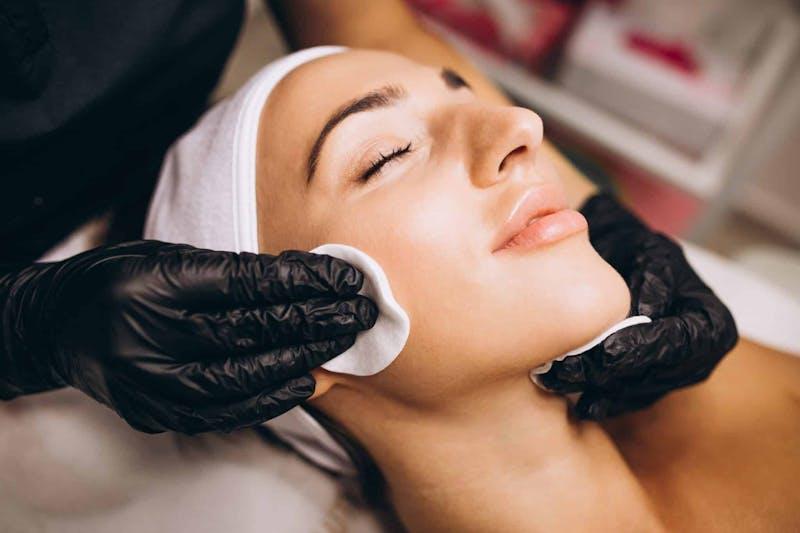
Choosing the right skin resurfacing procedure can be confusing, especially with so many non-invasive options available today. Many people researching Chemical Peel Treatment often compare it with microdermabrasion to understand which one delivers better results for their skin concerns. While both treatments aim to improve texture and appearance, they work in very different ways and are suited for different skin needs.
Understanding Chemical Peels:
Chemical peels are skin-resurfacing treatments that use chemical solutions to exfoliate the outer layers of the skin. This controlled exfoliation removes damaged cells and stimulates new skin growth, improving overall skin tone, texture, and clarity.
Key features of chemical peels include:
- Use of acids like glycolic, salicylic, or TCA
- Controlled removal of damaged skin layers
- Stimulation of collagen production
- Treatment of multiple skin concerns
- Variable depth depending on peel strength
Understanding Microdermabrasion:
Microdermabrasion is a physical exfoliation technique that uses a specialized device to gently remove dead skin cells from the surface. Unlike chemical peels, it does not involve acids and only affects the outermost layer of skin.
Key features include:
- Mechanical exfoliation using crystals or diamond tips
- Removal of superficial dead skin cells
- Non-chemical, non-invasive approach
- Minimal downtime and quick sessions
- Focus on surface-level improvement
How Chemical Peels Work:
Chemical peels penetrate the skin at different depths depending on their strength. They dissolve bonds between skin cells, allowing damaged layers to shed naturally and reveal healthier skin underneath.
How they function:
- Application of chemical solution on skin
- Breakdown of cellular bonds
- Controlled exfoliation process
- Activation of skin regeneration
- Improvement in deeper skin concerns
This is why Chemical Peel Treatment is often preferred for more noticeable skin transformation.
How Microdermabrasion Works:
Microdermabrasion works through physical exfoliation rather than chemical action. A handheld device gently removes the outer layer of dead skin, improving surface texture and brightness.
Process includes:
- Vacuum-based or crystal exfoliation
- Removal of stratum corneum layer
- Stimulation of mild circulation
- Immediate skin smoothing effect
- No chemical penetration involved
Depth of Treatment: Key Difference:
One of the main differences between the two treatments is how deeply they penetrate the skin. Chemical peels can reach deeper layers, while microdermabrasion remains superficial.
Comparison of depth:
- Chemical peels: surface to deep dermal layers
- Microdermabrasion: only outer epidermis
- Peels treat deeper skin issues
- Microdermabrasion focuses on surface texture
- Depth determines effectiveness
Skin Concerns Each Treatment Targets:
Both treatments address different skin concerns, making them suitable for different individuals depending on their needs and goals.
Chemical peels are best for:
- Acne scars and pigmentation
- Fine lines and wrinkles
- Sun damage and dark spots
- Uneven skin tone
- Deep skin texture issues
Microdermabrasion is best for:
- Mild dullness
- Minor surface roughness
- Light exfoliation needs
- Clogged pores
- Maintenance skincare
Downtime and Recovery Differences:
Recovery time is an important factor when choosing between these treatments. Chemical peels usually require some downtime, while microdermabrasion has minimal recovery needs.
Recovery comparison:
- Chemical peels: mild to moderate downtime
- Microdermabrasion: little to no downtime
- Peels may cause peeling and redness
- Microdermabrasion causes slight redness only
- Healing time varies by intensity
Results and Effectiveness:
The results from both treatments vary significantly depending on depth and skin condition. Chemical peels generally provide more dramatic and longer-lasting results.
Effectiveness comparison:
- Chemical peels: deeper and longer-lasting results
- Microdermabrasion: immediate but mild results
- Peels improve multiple skin layers
- Microdermabrasion improves surface glow
- Results depend on skin concerns
Safety and Suitability:
Both treatments are generally safe when performed correctly, but suitability depends on skin type, sensitivity, and medical history.
Safety considerations include:
- Skin sensitivity levels
- Presence of active acne or infections
- History of pigmentation issues
- Allergic reactions to acids (for peels)
- Professional assessment required
Frequency of Treatments:
The frequency of sessions differs between the two procedures due to their intensity and purpose.
Treatment frequency guidelines:
- Chemical peels: every few weeks to months
- Microdermabrasion: every 2–4 weeks
- Peels require recovery time between sessions
- Microdermabrasion allows regular maintenance
- Schedule depends on skin goals
Combining Both Treatments:
In some skincare routines, both treatments are used together at different times to achieve comprehensive skin improvement. However, they should not be done simultaneously.
Combination benefits:
- Enhanced skin texture improvement
- Better long-term maintenance
- Addressing both deep and surface concerns
- Improved overall skin clarity
- Customized skincare approach
Which Treatment Is Better:
There is no universal winner between chemical peels and microdermabrasion, as each serves different purposes. The choice depends on skin condition, goals, and desired results.
General guidance:
- Choose chemical peels for deeper issues
- Choose microdermabrasion for gentle maintenance
- Sensitive skin may prefer microdermabrasion
- Aging or damaged skin benefits more from peels
- Professional advice ensures best results
Final Thoughts:
Both chemical peels and microdermabrasion offer effective ways to improve skin health, but they serve different roles in skincare. While microdermabrasion provides gentle surface-level exfoliation, chemical peels deliver deeper and more transformative results. For individuals considering Chemical Peel Treatment, understanding these differences helps in making an informed decision and choosing the most suitable option for achieving smoother, clearer, and healthier-looking skin.

 thai
thai
 English
 Spanish
 Portuguese
 Italiano
 Romaian
 Portuguese (Brazil)
 china
china