


 จองคิวบริการ
 NR tours
 Youplay
 NR shop
 NR jobs
 facebook th
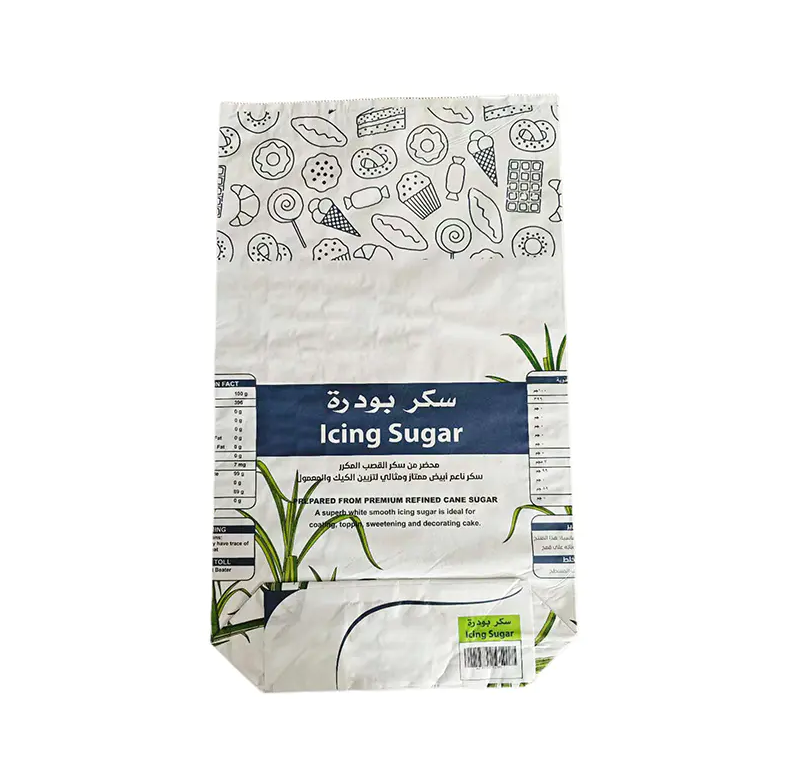
Valve Bag and Biodegradable Woven Bags are increasingly used in industrial supply chains where packaging efficiency, product protection, and environmental responsibility must be managed together. Industries handling bulk materials such as cement, fertilizers, grains, and chemical powders rely heavily on packaging systems that support both operational speed and material stability.
One of the main issues in industrial packaging is handling efficiency during high-volume production. Manual sealing methods often slow down packaging lines and increase labor requirements. Valve Bag systems provide a solution by allowing direct filling through a built-in valve, eliminating the need for additional sealing steps in many production processes.
High-speed filling systems can process hundreds of bags per hour, depending on machine configuration and material characteristics. This level of efficiency is important in industries where production output directly affects supply chain stability and delivery schedules.
Dust control is another important factor in bulk material packaging. Fine particles released during filling can affect workplace safety and lead to product loss. Valve Bag designs help reduce dust emission by controlling material flow during filling and minimizing open exposure to the environment.
Biodegradable Woven Bags are becoming more widely adopted as industries respond to environmental regulations and sustainability goals. Traditional woven plastic packaging contributes significantly to industrial waste accumulation, while biodegradable alternatives aim to reduce long-term environmental impact.
Material composition is central to biodegradable packaging performance. Manufacturers often use fiber-based materials combined with biodegradable polymers to achieve a balance between strength and decomposition efficiency. Mechanical testing includes tensile strength, tear resistance, and load-bearing capacity evaluation.
One challenge is ensuring structural stability during transport and storage. Industrial goods are often stacked in warehouses or shipping containers where pressure loads may exceed 30 kg per bag. Packaging must maintain integrity under these conditions without collapsing or tearing.
Valve Bag systems help improve stacking stability due to their compact filling design. Internal material distribution is more uniform, reducing air gaps that can weaken bag structure. This helps improve pallet stability during transportation and storage operations.
Biodegradable Woven Bags also face challenges related to environmental exposure. Temperature, humidity, and microbial activity can influence degradation speed. Manufacturers often adjust material composition to achieve controlled degradation rates suitable for industrial usage cycles.
Automation in packaging systems has increased demand for standardized bag formats. Valve Bag designs are often integrated with automated filling machines that require precise valve dimensions and sealing consistency. This ensures smooth operation across large-scale production lines.
Environmental regulations are also shaping packaging innovation. Many regions are introducing stricter waste management policies that encourage the use of recyclable or biodegradable materials. This has accelerated research into sustainable woven bag alternatives.
Cost efficiency remains a key consideration in industrial packaging decisions. While biodegradable materials may increase production costs, long-term environmental compliance and waste reduction requirements are influencing purchasing decisions across multiple industries.
Biodegradable Woven Bags are being applied in diverse sectors including agriculture, construction, and food packaging. Each application requires specific performance characteristics such as moisture resistance, load strength, and storage stability.
Valve Bag systems continue to be widely used due to their operational efficiency and compatibility with automated production lines. Together with biodegradable materials, they represent two important directions in modern industrial packaging development: efficiency optimization and environmental sustainability.

 thai
thai
 French
 Spanish
 Portuguese
 Italiano
 Romaian
 Portuguese (Brazil)
 china
china