


 จองคิวบริการ
 NR tours
 Youplay
 NR shop
 NR jobs
 facebook th
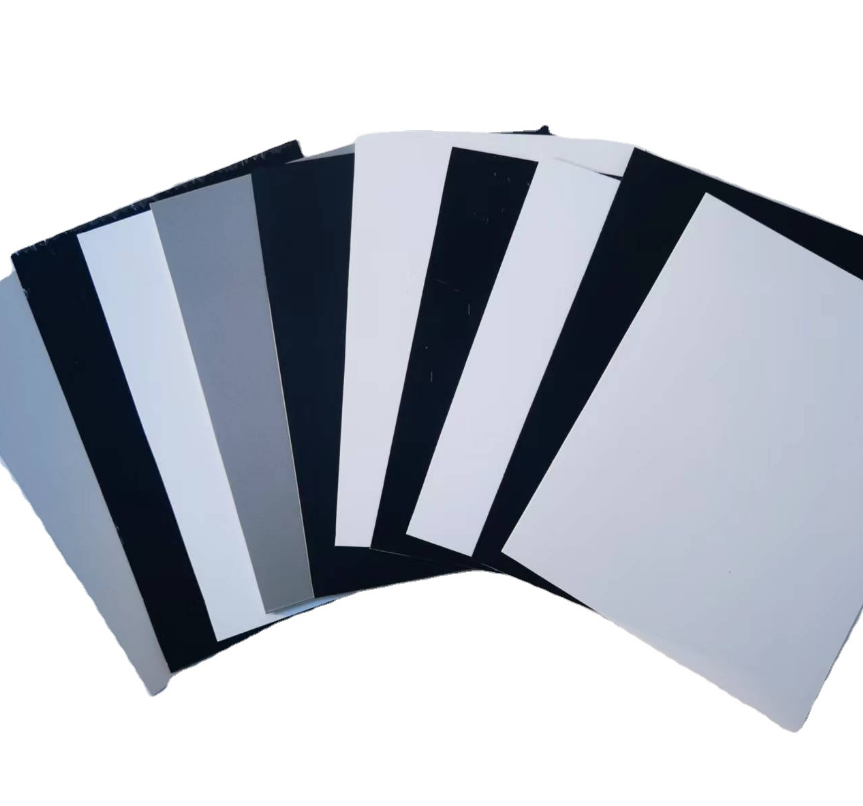
Durability and environmental resistance are critical considerations when choosing between HIPS Sheet and HDPE Sheet. These materials respond differently to outdoor exposure, chemicals, and moisture.
HIPS Sheet is an amorphous thermoplastic that can be affected by UV light over prolonged exposure. Its surface may yellow or become brittle without protective coatings. HIPS Sheet has moderate chemical resistance, suitable for indoor applications where exposure to solvents and mild chemicals is limited. It remains widely used for vacuum-formed signage, point-of-sale displays, and protective housings where indoor durability and print quality are prioritized.
HDPE Sheet provides superior chemical and moisture resistance due to its semi-crystalline structure. HDPE is less sensitive to UV light and can be used for outdoor applications such as water tanks, protective liners, and agricultural components. Standard HDPE sheets offer excellent resistance to acids, alkalis, and common solvents, making them ideal for industrial environments where exposure to harsh substances is common. Sheet thickness can range from 2 mm to 50 mm, which allows for varying levels of mechanical strength and wear resistance.
Longevity considerations also differ. HIPS Sheet may require UV stabilization or coating for long-term outdoor use, whereas HDPE Sheet can perform reliably over years in challenging conditions. Recycling and sustainability are also relevant; HDPE Sheet is widely recycled, while HIPS can be recycled but may have limitations depending on local facilities.
Understanding environmental resistance allows manufacturers to reduce maintenance, extend product life, and achieve predictable performance. Choosing between HIPS Sheet and HDPE Sheet involves evaluating exposure conditions, desired lifespan, and the balance between mechanical performance and chemical resilience.

 thai
thai
 English
 French
 Spanish
 Portuguese
 Italiano
 Romaian
 china
china