


 จองคิวบริการ
 NR tours
 Youplay
 NR shop
 NR jobs
 facebook th
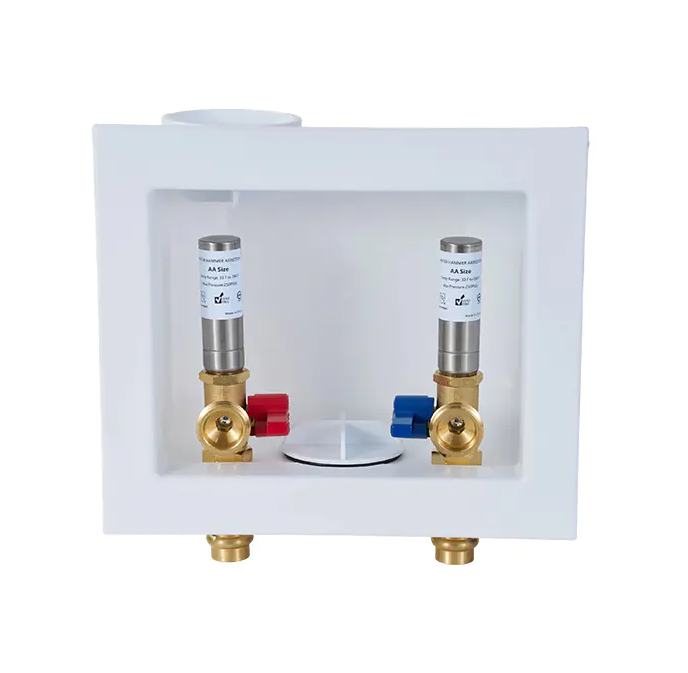
Laundry equipment is one of the common sources of water hammer inside residential and commercial buildings. Modern washing machines use solenoid valves that open and close quickly during fill cycles. This sudden interruption of water flow can create strong pressure waves inside the pipeline. To reduce these effects, plumbers often install a Copper Water Hammer Arrestor near appliance supply lines, while a Stainless Steel Water Hammer Arrestor may be selected for commercial laundry facilities or humid environments.
The characteristic banging or knocking sound associated with water hammer results from hydraulic shock traveling through the piping system. Over time, repeated pressure spikes may stress pipe joints, loosen supports, and create vibration inside walls or ceilings.
Laundry rooms create frequent valve cycling because washing machines repeatedly start and stop water flow during operation. Fast valve closure increases the possibility of pressure surges, especially in systems operating at elevated pressure levels.
Typical causes of laundry-related water hammer include:
High supply pressure
Loose pipe supports
Long copper pipe runs
Rapid-closing solenoid valves
Missing arrestors
Aging plumbing systems
Modern piston-style arrestors are designed to absorb these pressure fluctuations efficiently. The device contains a sealed chamber with compressed air separated from water by a piston assembly. During pressure spikes, the piston moves to cushion the shock wave.
Common technical features include:
Copper or stainless steel housing
Brass threaded connections
EPDM sealing rings
Working pressure up to 150 PSI
Burst pressure up to 400 PSI
Temperature range from 33°F to 180°F
Vertical or horizontal installation capability
Factory-sealed arrestors eliminate the waterlogging issues associated with traditional capped air chambers. Maintenance requirements are generally limited because the internal piston is the primary moving component.
Installation location significantly affects performance. Plumbing discussions often note that arrestors should be positioned as close as possible to the appliance or valve generating the pressure spike. Washing machine outlet boxes are common installation points because they place the arrestor directly near the solenoid valve action.
Copper arrestors are popular in residential laundry systems due to compatibility with copper piping and relatively compact dimensions. Stainless steel versions may be preferred in commercial laundries where higher humidity, cleaning chemicals, or continuous operation are present.
Additional methods for reducing water hammer may include:
Securing loose pipes
Adjusting pressure regulators
Installing expansion tanks
Reducing excessive flow velocity
Inspecting valve condition
Water hammer not only creates noise but can also contribute to fatigue stress within the plumbing network. Repeated vibration may affect solder joints, threaded fittings, and appliance connectors over extended operating periods.
In multi-unit buildings, unresolved water hammer can travel across branch lines and affect nearby rooms or apartments. This makes pressure control especially important in hotels, dormitories, and residential complexes.
Properly sized arrestors help stabilize system pressure during rapid flow changes. Selecting the correct fixture unit capacity and connection size ensures that the device can absorb sufficient energy for the intended application.
As automated appliances continue becoming standard in modern buildings, water hammer protection remains an important consideration for plumbing reliability and occupant comfort.

 thai
thai
 English
 French
 Spanish
 Portuguese
 Romaian
 Portuguese (Brazil)
 china
china