


 จองคิวบริการ
 NR tours
 Youplay
 NR shop
 NR jobs
 facebook th
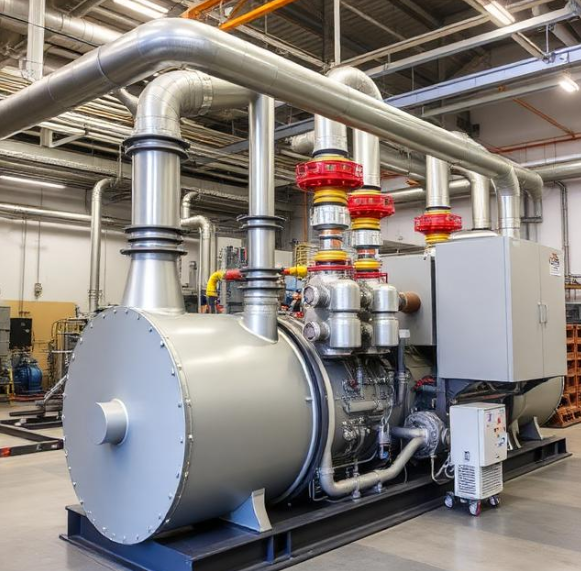
Industrial heating systems operate under continuous thermal stress, making routine maintenance an important part of long-term equipment reliability. A properly maintained Oil Thermal Fluid Heater can support stable heat transfer, reduce unexpected shutdowns, and extend equipment service life.
Many factories rely on a Gas Thermal Fluid Heater for continuous production operations in sectors such as food processing, textile finishing, printing, plywood manufacturing, and petrochemical applications. These systems often operate for long periods each day, making preventive maintenance essential.
One of the primary maintenance tasks involves monitoring the condition of the thermal oil itself. Heat transfer fluids gradually degrade because of oxidation, overheating, and contamination. Fluid deterioration may lead to sludge formation, viscosity increase, and carbon deposits inside the heater coil.
Routine thermal oil analysis often includes:
Flash point testing
Acid number measurement
Viscosity analysis
Carbon residue inspection
Moisture detection
Insoluble particle analysis
Operators also monitor combustion performance regularly. Improper burner adjustment may cause incomplete combustion, unstable flames, or soot accumulation inside the furnace. Carbon buildup reduces heat transfer efficiency and increases fuel consumption.
Typical industrial heater configurations may include:
Output range: 350 kW–14 MW
Fuel supply pressure: 15–500 mbar
Coil material: seamless steel tubes
Thermal efficiency: 88%–96%
Working temperature: up to 350°C
Expansion tank volume: 5%–10% of total oil volume
Circulation pumps are another critical component. Insufficient oil flow can cause localized overheating near the coil wall, accelerating thermal cracking of the heat transfer fluid. Pump seals, bearings, and motor alignment should be inspected periodically.
Expansion tanks help manage thermal expansion as oil temperature rises during operation. Improper expansion tank sizing may lead to pressure instability or overflow conditions. Nitrogen blanketing systems are sometimes added to reduce oil oxidation inside the expansion tank.
Industrial operators often establish scheduled inspections for:
Burner nozzles
Ignition electrodes
Flame sensors
Safety valves
Pressure gauges
Insulation layers
Flue gas ducts
Flue gas temperature monitoring can also reveal operational issues. A gradual rise in stack temperature may indicate soot accumulation or declining heat exchange performance. Cleaning the coil surfaces and combustion chamber can help restore efficiency.
Modern control systems simplify maintenance management. PLC interfaces can record alarm history, operating hours, and temperature trends. Predictive maintenance programs increasingly use sensor data to identify abnormal operating patterns before major failures occur.
Pipe insulation should not be overlooked during maintenance planning. Damaged insulation increases heat loss and raises surface temperature around piping systems. Mineral wool and ceramic fiber insulation materials are commonly used in industrial thermal fluid systems.
Facilities operating around the clock often maintain spare circulation pumps, burner components, and temperature sensors to reduce downtime during maintenance activities. Preventive servicing intervals may vary depending on operating temperature, fuel quality, and annual runtime.
A stable maintenance strategy helps industrial thermal fluid systems maintain reliable heating performance while supporting safer long-term plant operation.

 thai
thai
 English
 French
 Portuguese
 Italiano
 Romaian
 Portuguese (Brazil)
 china
china