


 จองคิวบริการ
 NR tours
 Youplay
 NR shop
 NR jobs
 facebook th
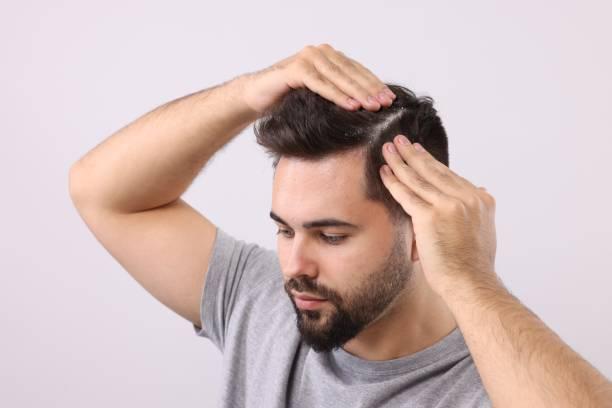
Hair loss in women can be emotionally challenging and often affects confidence, self-image, and daily comfort. Unlike men, women may experience diffuse thinning rather than clear bald patches, which can make the condition harder to manage. Modern hair restoration techniques have made it possible to address these concerns effectively, and one of the most advanced solutions available today is the FUE Hair Transplant.
Women experiencing hair thinning often look for a solution that delivers natural results without creating visible signs of surgery. The FUE Hair Transplant is widely preferred because it is minimally invasive and designed to restore hair density in a natural-looking way. It works by relocating healthy hair follicles from a donor area to thinning regions, helping women achieve fuller and more balanced hair.
Understanding how the procedure works, who it is suitable for, and what results to expect is essential before making a decision. The FUE Hair Transplant offers a personalized approach to hair restoration that can be tailored to different patterns of female hair loss.
Understanding Female Hair Loss
Why Women Experience Hair Loss
Hair loss in women can occur due to several reasons, including hormonal changes, genetics, stress, or medical conditions. Unlike male pattern baldness, female hair loss is often more diffuse and spread across the scalp.
Common causes include:
- Hormonal imbalance
- Post-pregnancy changes
- Thyroid issues
- Nutritional deficiencies
- Genetic predisposition
- Stress and lifestyle factors
Identifying the cause helps determine whether FUE is an appropriate solution.
Common Hair Thinning Patterns in Women
Women may experience:
- Overall thinning across the scalp
- Widening part line
- Reduced volume at the crown
- Hairline weakening in some cases
FUE can help restore density in targeted areas where donor hair is strong.
What Is FUE Hair Transplant?
Understanding the Technique
FUE (Follicular Unit Extraction) is a hair restoration method that involves extracting individual hair follicles from a donor area and implanting them into thinning areas.
Unlike older methods, it does not involve removing a strip of scalp, making it less invasive and more comfortable.
How the Procedure Works
The process includes:
- Identifying a healthy donor area
- Extracting individual follicular units
- Preparing thinning areas for implantation
- Placing grafts strategically
- Allowing natural hair growth over time
Each follicle is carefully placed to match natural hair direction and density.
Why Women Choose FUE Hair Transplant
Natural-Looking Results
One of the main reasons women prefer this procedure is its ability to create soft, natural density without obvious signs of treatment.
The transplanted hair blends seamlessly with existing strands.
Minimal Scarring
Since follicles are extracted individually, the procedure leaves tiny marks that are usually not visible after healing.
This is especially important for women who prefer different hairstyles.
Non-Invasive Approach
FUE does not require large incisions or stitches, making it a more comfortable option compared to traditional methods.
Improved Hair Density
The procedure helps restore volume in thinning areas, improving overall hair fullness.
Who Is a Suitable Candidate?
Women With Thinning Hair
FUE is often suitable for women experiencing:
- Diffuse thinning
- Widening part line
- Reduced crown density
- Stable donor hair areas
Women With Healthy Donor Hair
Successful transplantation requires sufficient healthy follicles at the back or sides of the scalp.
Women With Stable Hair Loss
Candidates with non-progressive or stabilized hair loss typically achieve better outcomes.
Step-by-Step Overview of the Procedure
Consultation and Evaluation
The process begins with a detailed assessment of:
- Hair loss pattern
- Scalp condition
- Donor hair quality
- Desired outcome
A customized treatment plan is then created.
Donor Area Preparation
The donor area is prepared, and follicles are identified for extraction.
Follicle Extraction
Individual hair follicles are carefully removed using specialized tools.
Recipient Area Design
Thinning areas are mapped to ensure natural density and hair direction.
Implantation of Grafts
Extracted follicles are implanted into the targeted areas with precision.
Healing Process
The scalp begins healing, and follicles gradually settle into place.
Recovery After FUE Hair Transplant
First Few Days
Mild redness or sensitivity may appear but usually improves quickly.
First Two Weeks
Small scabs form and naturally fall off as healing progresses.
Temporary Shedding
Transplanted hairs may shed initially, which is a normal part of the process.
New Hair Growth
New growth typically begins after a few months and gradually increases over time.
Expected Results for Women
Gradual Hair Regrowth
Hair growth develops slowly but steadily, leading to natural improvement.
Increased Volume
One of the key benefits is improved hair density and volume in thinning areas.
Natural Appearance
Results are designed to look soft and natural, without harsh or artificial lines.
Long-Lasting Growth
Transplanted follicles continue growing for many years once established.
Benefits of FUE Hair Transplant for Women
Restored Confidence
Many women feel more confident as their hair becomes fuller and healthier.
Customized Treatment
The procedure is tailored to individual hair loss patterns and goals.
Minimal Downtime
Recovery is generally smooth, allowing a return to daily activities within a short time.
Versatile Application
FUE can be used to restore:
- Scalp hair
- Hairline density
- Crown thinning areas
Factors That Influence Results
Donor Hair Quality
Healthy donor follicles are essential for successful outcomes.
Extent of Hair Loss
Mild to moderate hair loss often responds best to treatment.
Hair Characteristics
Hair thickness and texture affect final appearance.
Aftercare Compliance
Following post-procedure instructions improves healing and results.
Maintaining Results After FUE
Follow Professional Guidance
Proper aftercare supports healing and long-term success.
Maintain Scalp Health
A healthy scalp promotes better hair growth.
Healthy Lifestyle
Balanced nutrition and reduced stress support overall hair quality.
Regular Checkups
Follow-up visits help monitor progress and ensure optimal results.
Conclusion
FUE hair transplant is a highly effective and modern solution for women experiencing hair thinning or loss. It offers natural-looking results, minimal scarring, and long-term improvement in hair density. With a personalized approach and careful follicle placement, women can achieve fuller, healthier-looking hair that enhances both appearance and confidence. Understanding the procedure, recovery process, and expected outcomes can help in making an informed decision about hair restoration.
Book Your Appointment at Royal Clinic Saudia
If you are experiencing hair thinning and looking for a reliable solution, Royal Clinic Saudia offers expert consultations and advanced FUE hair restoration treatments. Our team is dedicated to providing personalized care and natural-looking results tailored to your needs. Book your appointment today and take the first step toward restoring your hair and confidence.
FAQs:
Is FUE hair transplant suitable for women?
Yes, FUE is suitable for many women experiencing stable hair thinning or reduced hair density.
Will the results look natural?
Yes, transplanted hair is carefully placed to match natural growth patterns and density.
How long does it take to see results?
New hair growth typically begins within a few months and improves gradually over time.
Is the procedure painful?
Local anesthesia is used, making the procedure generally comfortable for most patients.

 thai
thai
 French
 Spanish
 Portuguese
 Italiano
 Romaian
 Portuguese (Brazil)
 china
china