


 จองคิวบริการ
 NR tours
 Youplay
 NR shop
 NR jobs
 facebook th
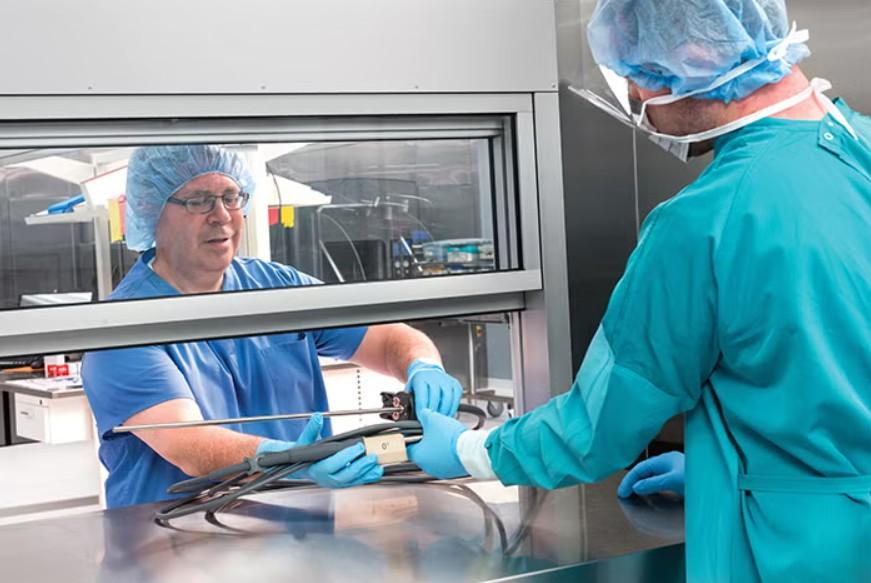
In the high-pressure environment of a Sterile Processing Department (SPD), few events are as disruptive as the arrival of a loaner instrument tray that lacks the essential Instructions for Use (IFU) documentation. This scenario is a common headache for technicians who operate under strict deadlines to turn around sets for scheduled surgeries. However, it is imperative to remember that the IFU is not merely a suggestion; it is a clinical and regulatory mandate. When a set arrives without its roadmap for reprocessing, the department faces a critical dilemma: do you proceed based on assumptions, or do you halt the process entirely? Choosing the latter is the only path that ensures patient safety, yet it requires a department-wide commitment to standards, effective communication with vendors, and a culture that prioritizes safety over speed.
The Regulatory Implications of Missing IFUs
The Instructions for Use (IFU) provided by an instrument manufacturer are the legal standard of care for that specific medical device. Regulatory bodies, including the FDA, the Joint Commission, and AAMI, are explicit in their requirement that all reprocessing must be performed in strict accordance with these manufacturer instructions. When an IFU is missing, you effectively lose the "recipe" for ensuring the instrument is safe for patient use. Without it, you cannot verify the appropriate cleaning agents, the specific water temperatures, the necessary chemical exposure times, or the required steam sterilization parameters. Processing a device without its corresponding IFU exposes the facility to severe liability and, more importantly, places the patient at risk of surgical site infections (SSI) or other complications resulting from improperly reprocessed instrumentation. Relying on "tribal knowledge" or past experience with similar sets is a dangerous gamble that ignores the rapid evolution of surgical technology.
Immediate Action Steps for SPD Teams
When a loaner set arrives at your door without the necessary IFU, your first action must be to initiate an immediate "Do Not Process" protocol. The tray should be tagged, isolated, and effectively removed from the workflow to prevent any accidental use. Your next step is to initiate a direct, documented communication with the vendor or sales representative responsible for the loaner set. It is helpful to have a pre-defined email template ready for these instances, which clearly states that the facility requires the validated IFU before any processing can commence. If the representative cannot produce the document, or if they attempt to send an outdated version, the set must remain in quarantine. While this may cause tension with the operating room schedule, it is your professional duty as a sterile processing technician to safeguard the patient's welfare by refusing to cut corners on safety documentation.
Building a Robust Protocol for Loaner Management
The most effective way to handle missing IFUs is to prevent the problem before the equipment ever leaves the vendor's facility. SPD management should establish a strict contract policy that mandates the inclusion of a physical or verifiable digital IFU with every loaner set. This requirement should be clearly communicated to sales representatives well before the surgery date. Some facilities have found success by implementing a "Loaner Arrival Checklist," which requires the receiving technician to verify the presence of the IFU as the very first step of the intake process. If the IFU is not present, the tray is rejected at the point of entry, saving valuable time and preventing the contamination of decontamination areas. By shifting the responsibility back to the vendor, the SPD reinforces its role as a gatekeeper of safety and reduces the administrative burden of chasing down missing documentation after the fact.
Investing in Professional Competency
Managing the complexities of loaners, IFUs, and compliance requires a team that is not only diligent but also deeply educated in the science of sterilization. The ability to advocate for proper protocols, especially when faced with pushback from vendors or clinical staff, is a hallmark of a seasoned professional. Developing this level of technical confidence is exactly what separates a reactive department from a proactive one. If your team is struggling to keep up with the demands of modern sterilization standards, it may be time to solidify your foundational knowledge. Enrolling in a comprehensive sterile processing technician course provides the theoretical and practical framework required to understand not just the "how" of reprocessing, but the "why" behind every regulation. Such training empowers technicians to stand firm on safety protocols, knowing that their decisions are backed by industry best practices and a deep understanding of patient care.
Empowering Technicians to Protect the Patient
At the end of the day, every decision made in the sterile processing department is a decision made for the patient lying on the operating table. When you refuse to process a set without its IFU, you are exercising a critical level of patient advocacy. This requires courage and a clear understanding of your role within the larger healthcare ecosystem. It is vital for leadership to support their technicians when they flag missing documentation, rather than pressuring them to bypass these critical safety checks for the sake of efficiency. By fostering a culture of accountability and continuous education, departments can move away from the crisis management mode that typically accompanies missing loaner IFUs. With a highly trained staff that understands the gravity of these regulations, the department becomes a bastion of safety, ensuring that every instrument entering the surgical field is clean, sterile, and fully compliant with manufacturer specifications.

 thai
thai
 English
 French
 Spanish
 Portuguese
 Italiano
 Romaian
 Portuguese (Brazil)