


 จองคิวบริการ
 NR tours
 Youplay
 NR shop
 NR jobs
 facebook th
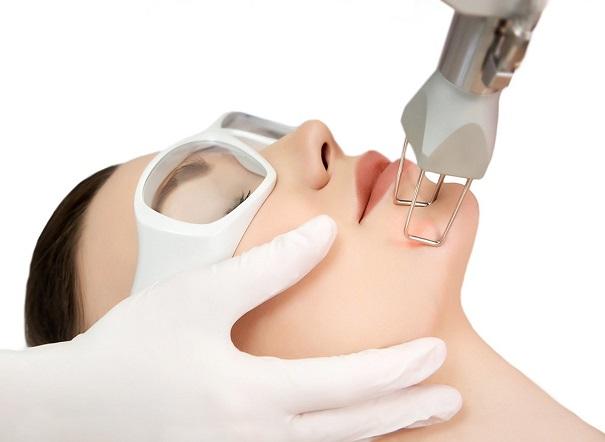
Skin rejuvenation procedures have advanced significantly over the past decade, offering effective solutions for wrinkles, acne scars, and uneven texture without the need for invasive surgery. Among these innovations, Fractional CO2 Laser Treatment stands out as one of the most trusted and widely used dermatological procedures for skin resurfacing and collagen stimulation. It works by delivering controlled laser energy into the skin to trigger natural healing and regeneration, making it a popular choice for people seeking visible improvements in skin quality with manageable downtime.
Understanding the Procedure:
This laser-based skin resurfacing method uses carbon dioxide energy in a fractional pattern, meaning only small portions of the skin are treated while surrounding areas remain untouched to speed up healing. The controlled micro-injuries created by the laser stimulate collagen and elastin production, which helps improve skin texture and elasticity over time. It is commonly used in cosmetic dermatology to treat acne scars, wrinkles, sun damage, and pigmentation issues. Key aspects include:
- Fractional delivery of laser energy for precision
- Targeted skin resurfacing without full-surface damage
- Activation of the body’s natural healing response
- Gradual improvement in skin tone and texture
How the Technology Works:
The treatment uses a specialized CO2 laser device that penetrates the skin in controlled columns of heat energy, creating microscopic zones of injury. These zones trigger the skin’s repair mechanism, leading to new collagen formation and replacement of damaged skin cells. Over the following weeks, the skin becomes smoother, firmer, and more even. The procedure is carefully adjusted based on skin type, depth of damage, and desired results. Typical process steps include:
- Cleansing and preparing the treatment area
- Applying numbing cream for patient comfort
- Adjusting laser intensity based on skin condition
- Delivering fractional pulses across targeted zones
- Applying soothing products after completion
Benefits for Skin Health:
This procedure is widely preferred due to its ability to deliver both cosmetic and dermatological improvements. It is especially effective for individuals seeking long-term skin rejuvenation without undergoing surgery. Benefits include:
- Reduction in fine lines and deep wrinkles
- Improvement in acne and surgical scars
- Enhanced skin tone and reduced pigmentation
- Tightening of loose or aging skin
- Long-term collagen stimulation for sustained results
Because it works beneath the surface, improvements continue to develop even after the skin has healed.
Treatment Process Step-by-Step:
A typical session is performed in a dermatology clinic under professional supervision to ensure safety and effectiveness. Depending on the treatment area, the procedure may take between 30 minutes and 2 hours. The process generally includes:
- Initial consultation and skin evaluation
- Cleaning and marking of target areas
- Application of topical anesthetic to reduce discomfort
- Laser application using controlled fractional beams
- Cooling and application of healing ointments
Patients may feel mild warmth or tingling sensations during the procedure, but discomfort is usually minimal due to numbing agents.
Recovery and Healing Process:
Recovery time varies depending on the intensity of the treatment and individual skin response, but most patients recover within one to two weeks. Proper aftercare is essential for achieving optimal results and minimizing complications. Important recovery guidelines include:
- Keeping skin moisturized with prescribed healing creams
- Avoiding direct sunlight and using SPF 50 sunscreen
- Refraining from picking or peeling flaking skin
- Using gentle, non-irritating skincare products
- Staying hydrated to support skin regeneration
During healing, redness, swelling, and mild peeling are common and gradually fade as new skin forms underneath.
Side Effects and Safety Considerations:
Although generally safe when performed by trained professionals, this procedure can cause temporary side effects as part of the natural healing process. These effects are usually mild and short-lived. Possible side effects include:
- Temporary redness and swelling
- Skin sensitivity or mild itching
- Peeling or crust formation
- Rare risk of infection if aftercare is ignored
- Temporary changes in pigmentation in sensitive skin types
Selecting a qualified dermatologist and following aftercare instructions significantly reduces potential risks.
Who Should Consider This Treatment:
This procedure is suitable for individuals who want to improve visible signs of skin damage or aging and are in good overall health. It is often recommended for:
- People with acne scars or post-surgical scars
- Individuals experiencing wrinkles or fine lines
- Those with uneven skin tone or sun damage
- Patients seeking non-surgical skin rejuvenation
However, it may not be suitable for pregnant women, individuals with active infections, or those with certain skin conditions that affect healing ability.
Cost and Influencing Factors:
The cost of the procedure varies depending on several clinical and geographical factors. Since multiple sessions may be required, overall expenses can differ significantly between patients. Key cost factors include:
- Clinic reputation and location
- Expertise of the dermatologist
- Type of laser technology used
- Size of the treatment area
- Number of sessions required for desired results
Patients are encouraged to consult clinics for a personalized treatment plan and cost estimate.
Choosing the Right Specialist:
Selecting an experienced professional is essential for achieving safe and effective results. A skilled dermatologist can tailor the procedure according to skin type and condition, reducing risks and improving outcomes. Important factors to consider include:
- Certification and experience in laser dermatology
- Use of advanced and well-maintained equipment
- Positive patient reviews and treatment outcomes
- Clear explanation of procedure and expectations
- Strong hygiene and safety protocols
A proper consultation helps ensure realistic expectations and a customized treatment approach.
Final Thoughts:
When performed by an experienced specialist and supported by proper aftercare, Fractional CO2 Laser Treatment can significantly improve skin texture, reduce scars, and enhance overall appearance. It remains one of the most effective non-surgical options for long-term skin rejuvenation, offering gradual yet lasting improvements that continue to develop as the skin naturally heals and regenerates.
