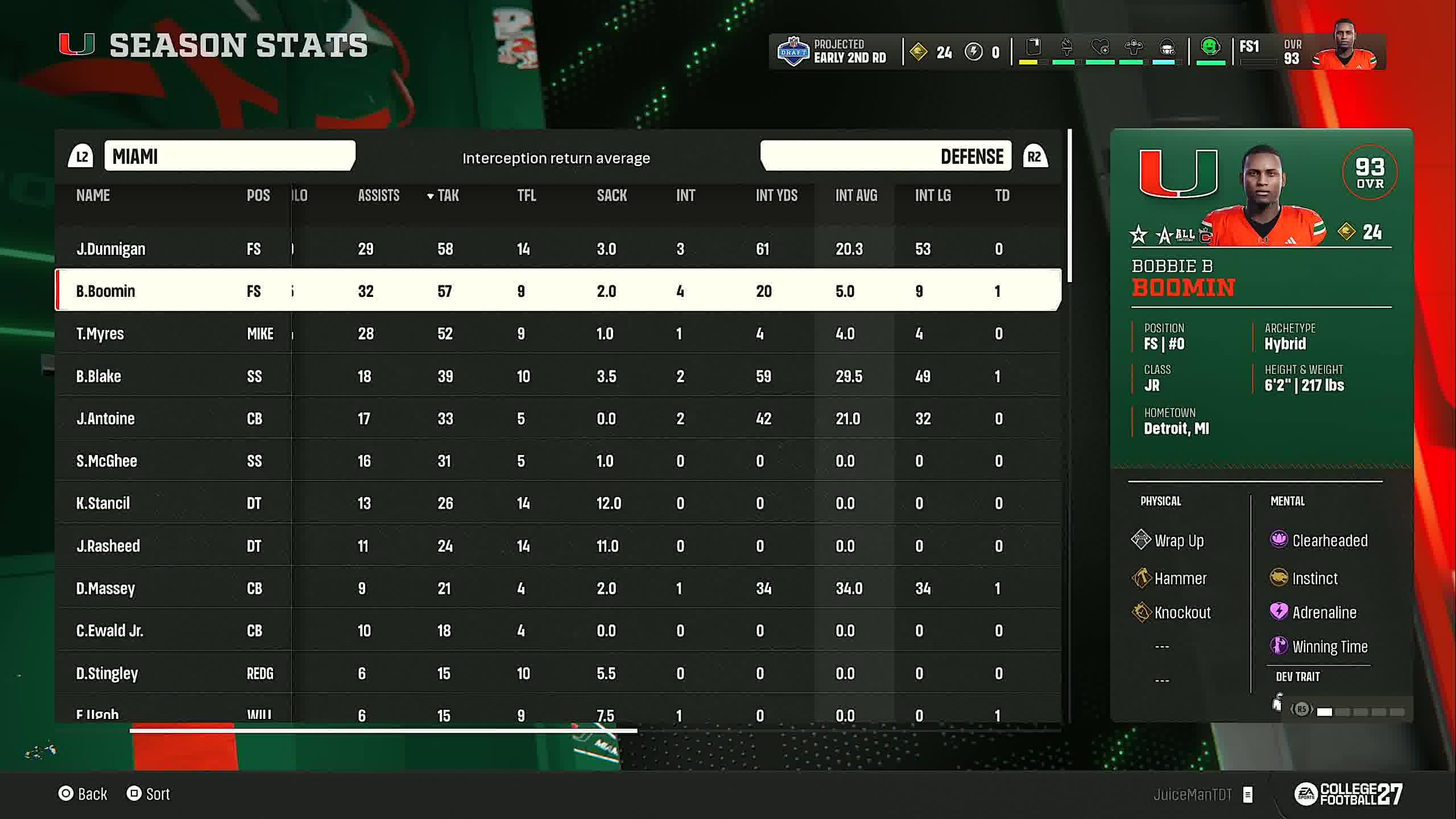
The traditional college football dynasty has always appealed to players who enjoy building programs over multiple seasons. Recruiting young talent, developing players, managing a roster, and eventually competing for championships creates a long-term connection between the player and the virtual school. College Football 27 expands that idea dramatically by making Online Dynasty a shared experience for as many as 32 human coaches.
This transformation changes the meaning of dynasty mode. Instead of managing a program alone against computer-controlled opponents, players now enter a living football ecosystem populated by friends, rivals, strategists, recruiters, and opportunists. Every decision can have consequences beyond the user's own team.
Imagine joining a league with 31 other coaches. At first, everyone might establish relatively friendly relationships. Players discuss schedules, recruiting priorities, and conference plans. However, competitive tension naturally develops once the season begins. One coach may dominate on the field, while another becomes known as an elite recruiter. Someone else may specialize in discovering undervalued players and turning a rebuilding program into a contender.
The offseason can become just as important as the regular season. The game's NIL and transfer portal mechanics introduce strategic decisions that affect the entire league. A promising recruit might become the center of an intense bidding war. A coach who loses an important player through the transfer portal may blame a rival for deliberately weakening the program.
These situations create a unique type of digital storytelling. Computer-controlled opponents can challenge a player, but they do not have friendships, grudges, reputations, or personalities. Human coaches do. A recruiting decision can therefore carry emotional weight that goes far beyond its statistical value.
The structure also encourages long-term engagement. A league can develop its own traditions and unofficial rules. Players might establish rivalry trophies, organize championship celebrations, or create consequences for losing important matchups. Group chats can become filled with screenshots, jokes, predictions, and accusations.
On-field competition remains the foundation, of course. Human opponents make games unpredictable because every coach brings a different philosophy. One player may rely heavily on the running game, while another prefers aggressive passing. Defensive specialists may constantly disguise coverage, forcing opponents to make difficult decisions before the snap.
The psychological element becomes important too. Players begin learning each other's tendencies. If a coach repeatedly calls a certain formation on third down, opponents may eventually anticipate it. If another player likes to blitz aggressively, a smart offense can prepare counters. Over time, the league develops its own meta based not just on the game itself but on the personalities participating in it.
The result is an environment where improvement feels meaningful. A player who loses repeatedly to a friend has a clear incentive to study that opponent and change tactics. Eventually, beating that rival can feel like a genuine accomplishment.
Buy College Football 27 Coins easily and securely with U4GM. We offer fast, reliable service, plus VIP members can enjoy additional savings when purchasing CFB 27 Coins. Shop now and get more discounts.
More visit:
https://www.u4gm.com/college-football-27/coins The traditional college football dynasty has always appealed to players who enjoy building programs over multiple seasons. Recruiting young talent, developing players, managing a roster, and eventually competing for championships creates a long-term connection between the player and the virtual school. College Football 27 expands that idea dramatically by making Online Dynasty a shared experience for as many as 32 human coaches.
This transformation changes the meaning of dynasty mode. Instead of managing a program alone against computer-controlled opponents, players now enter a living football ecosystem populated by friends, rivals, strategists, recruiters, and opportunists. Every decision can have consequences beyond the user's own team.
Imagine joining a league with 31 other coaches. At first, everyone might establish relatively friendly relationships. Players discuss schedules, recruiting priorities, and conference plans. However, competitive tension naturally develops once the season begins. One coach may dominate on the field, while another becomes known as an elite recruiter. Someone else may specialize in discovering undervalued players and turning a rebuilding program into a contender.
The offseason can become just as important as the regular season. The game's NIL and transfer portal mechanics introduce strategic decisions that affect the entire league. A promising recruit might become the center of an intense bidding war. A coach who loses an important player through the transfer portal may blame a rival for deliberately weakening the program.
These situations create a unique type of digital storytelling. Computer-controlled opponents can challenge a player, but they do not have friendships, grudges, reputations, or personalities. Human coaches do. A recruiting decision can therefore carry emotional weight that goes far beyond its statistical value.
The structure also encourages long-term engagement. A league can develop its own traditions and unofficial rules. Players might establish rivalry trophies, organize championship celebrations, or create consequences for losing important matchups. Group chats can become filled with screenshots, jokes, predictions, and accusations.
On-field competition remains the foundation, of course. Human opponents make games unpredictable because every coach brings a different philosophy. One player may rely heavily on the running game, while another prefers aggressive passing. Defensive specialists may constantly disguise coverage, forcing opponents to make difficult decisions before the snap.
The psychological element becomes important too. Players begin learning each other's tendencies. If a coach repeatedly calls a certain formation on third down, opponents may eventually anticipate it. If another player likes to blitz aggressively, a smart offense can prepare counters. Over time, the league develops its own meta based not just on the game itself but on the personalities participating in it.
The result is an environment where improvement feels meaningful. A player who loses repeatedly to a friend has a clear incentive to study that opponent and change tactics. Eventually, beating that rival can feel like a genuine accomplishment.
Buy College Football 27 Coins easily and securely with U4GM. We offer fast, reliable service, plus VIP members can enjoy additional savings when purchasing CFB 27 Coins. Shop now and get more discounts.
More visit: https://www.u4gm.com/college-football-27/coins